
 coinpaper.com
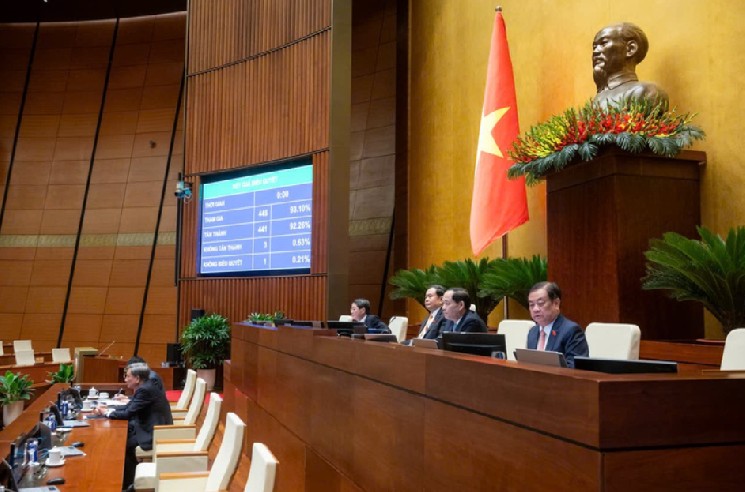
Vietnam has set a mid-January timeline to approve its first pilot cryptocurrency exchanges, marking a shift toward controlled market testing. Prime Minister Pham Minh Chinh instructed regulators to complete approvals by Jan. 15, 2026, under a sandbox model that allows crypto trading while limiting systemic risks. The move places digital assets on a formal policy track after years of legal uncertainty.
The decision followed a Jan. 6, 2026 national finance-sector conference, where the government outlined priorities for the year ahead. Among them, pilot crypto exchanges ranked as a key task. Officials framed the initiative as a way to observe market behavior, improve oversight tools, and prepare for broader regulation if results remain stable.
Vietnam’s crypto market already ranks among the most active in Southeast Asia by user adoption. However, until now, trading largely occurred through offshore platforms. By opening a domestic pilot, authorities aim to bring activity onshore, improve transparency, and reduce risks linked to capital flight and fraud.
Strict Entry Rules Define the Pilot Phase
Regulators designed the pilot to start with a limited number of participants. Only five companies are expected to receive initial approval. Each applicant must meet a minimum charter capital of VND10 trillion, signaling that the government wants well-capitalized operators with long-term capacity.
Ownership rules further narrow eligibility. At least 65% of shares must be held by institutional investors, with a minimum 35% split between two qualifying institutions such as banks, securities firms, insurers, fund managers, or technology companies. These institutions must show two consecutive profitable years and clean audit records.
Technical and security standards also play a central role. Approved exchanges must comply with Level 4 IT safety requirements, close to the highest national benchmark. This condition reflects concerns over hacks and data breaches that have affected regional crypto platforms in recent years.
Oversight Structure and Regional Context
Vietnam assigned oversight across multiple agencies. The Ministry of Finance will supervise exchange operations, while the State Bank of Vietnam will track capital flows and anti-money-laundering controls. At the same time, the Ministry of Public Security will handle enforcement related to cybercrime and market abuse.
The pilot aligns with broader legal changes that took effect at the start of 2026, expanding the regulatory base for digital technologies. Officials see the exchange trial as a testing ground rather than full legalization, allowing authorities to adjust rules before scaling.
Across Asia, Vietnam’s approach mirrors steps taken by jurisdictions such as Singapore and Hong Kong, which also launched sandbox regimes before issuing broader crypto licenses. By following a phased model, Vietnam positions itself to balance innovation with financial stability while keeping tight control over early market development.