
 fxcryptonews.com
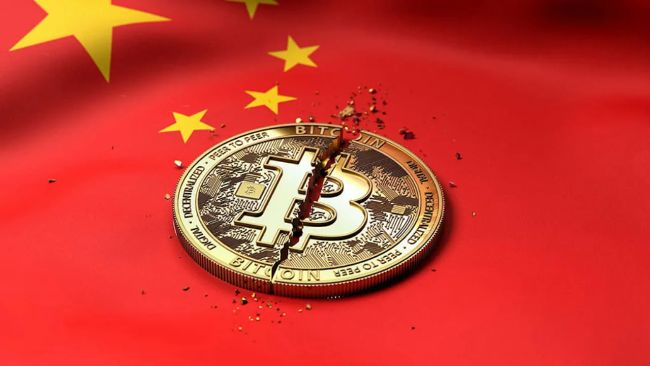
In a significant move that sent tremors across the burgeoning digital asset landscape, China’s financial authorities have issued a joint notice officially labeling Real-World Assets (RWAs) as an illegal financial activity. This decisive pronouncement, effective January 5, 2026, reinforces Beijing’s uncompromising stance on cryptocurrencies and related digital ventures, potentially reshaping the global trajectory of asset tokenization and challenging projects reliant on Chinese market participation or infrastructure.
The Ascendance of Real-World Assets (RWAs)
Real-World Assets (RWAs) have emerged as one of the most compelling narratives in the crypto space over the past two years, bridging traditional finance with blockchain technology. RWAs refer to tangible and intangible assets from the physical world—such as real estate, commodities, art, intellectual property, and even government bonds or equities—that are tokenized on a blockchain. This process aims to enhance liquidity, transparency, fractional ownership, and accessibility for a broader investor base, leveraging the immutable and programmable nature of distributed ledger technology.
- Increased Accessibility: Tokenization allows for fractional ownership, enabling smaller investors to access high-value assets.
- Enhanced Liquidity: Trading of tokenized assets on blockchain platforms can offer faster settlement and 24/7 markets.
- Transparency and Immutability: Blockchain records provide verifiable ownership and transaction histories.
- Operational Efficiencies: Streamlined processes can reduce intermediaries and administrative costs.
Beijing’s Uncompromising Stance: A Resounding ‘Illegal’
The joint notice, reportedly issued by the People’s Bank of China (PBOC) and the National Administration of Financial Regulation (NAFR), explicitly categorizes all activities related to the issuance, trading, and financing of tokenized real-world assets as illegal financial operations. This directive mirrors China’s previous widespread crackdowns on cryptocurrency mining, trading, and Initial Coin Offerings (ICOs), consistently aiming to maintain tight control over its financial system and prevent capital outflows.
While the specifics of enforcement remain to be seen, the declaration is expected to lead to swift action against domestic entities involved in RWA projects. The notice also includes a stern warning to overseas operators, suggesting that facilitating RWA activities for Chinese citizens or within China’s jurisdiction could face severe legal repercussions.
Wider Implications for the Global Crypto Market
China’s latest move presents a significant headwind for the global RWA sector. Although many RWA projects primarily target Western markets, China’s sheer economic size and influence mean its regulatory decisions often have ripple effects. Investors may become more cautious, and projects might face increased scrutiny regarding their geographic operational boundaries and compliance frameworks. The immediate impact is likely to be felt by projects that had any form of exposure or ambition within the Chinese market, or those operating in regions with close economic ties to China.
- Investor Caution: Potential decrease in investment appetite for RWA-focused protocols globally.
- Geographic Shift: Acceleration of RWA development towards more crypto-friendly jurisdictions.
- Compliance Scrutiny: Increased focus on robust Know Your Customer (KYC) and Anti-Money Laundering (AML) measures for RWA platforms.
- Innovation Reorientation: Projects may pivot strategies to avoid regulatory ambiguity in sensitive regions.
Navigating Regulatory Headwinds and Innovation
Despite China’s clear prohibition, the fundamental value proposition of tokenizing real-world assets remains strong for many other global markets. This regulatory setback in one major economy may paradoxically spur innovation in others, compelling RWA projects to build more resilient, compliant, and globally interoperable solutions. The focus will likely shift even more towards securing clear regulatory frameworks in jurisdictions actively exploring the benefits of tokenization, such as Switzerland, Singapore, and parts of Europe and the United States.
For the crypto industry, this serves as a potent reminder of the fragmented global regulatory landscape and the constant need for adaptability. Successful RWA ventures will be those that prioritize regulatory compliance, transparency, and collaboration with forward-thinking financial institutions and policymakers.
Conclusion
China’s recent declaration deeming Real-World Assets (RWAs) illegal marks another chapter in its persistent efforts to control digital finance. While challenging for the global RWA ecosystem, particularly those with any exposure to the Chinese market, it is also a catalyst for greater regulatory clarity and innovation in other parts of the world. The long-term success of RWA tokenization will hinge on its ability to navigate diverse legal landscapes, demonstrating its utility and security within compliant frameworks, rather than being universally embraced.
Pros (Bullish Points)
- The clear, albeit negative, regulatory stance from China could push RWA innovation and adoption into more compliant and welcoming jurisdictions.
- Projects that were already focusing on compliant regions may see their value proposition strengthened as regulatory clarity becomes a premium.
Cons (Bearish Points)
- China's ban stifles the growth of the RWA sector in a major global economy, potentially limiting overall market size and adoption.
- The move could introduce FUD (fear, uncertainty, doubt) into the global RWA market, leading to increased investor caution and potential price corrections.
Frequently Asked Questions
What exactly are Real-World Assets (RWAs) in the crypto context?
RWAs are tangible or intangible assets from the traditional economy (e.g., real estate, gold, stocks, bonds) that are tokenized and represented on a blockchain, allowing for fractional ownership and easier trading.
Why did China ban RWAs?
China's ban aligns with its long-standing policy of strict capital controls and tight oversight of financial activities, aiming to prevent illicit financial flows and maintain control over its monetary system, similar to previous crypto crackdowns.
How will this ban affect the global RWA market?
While unlikely to halt global RWA growth entirely, it will likely foster a shift in development and investment towards crypto-friendly jurisdictions and increase scrutiny on compliance and geographical market targeting for RWA projects worldwide.