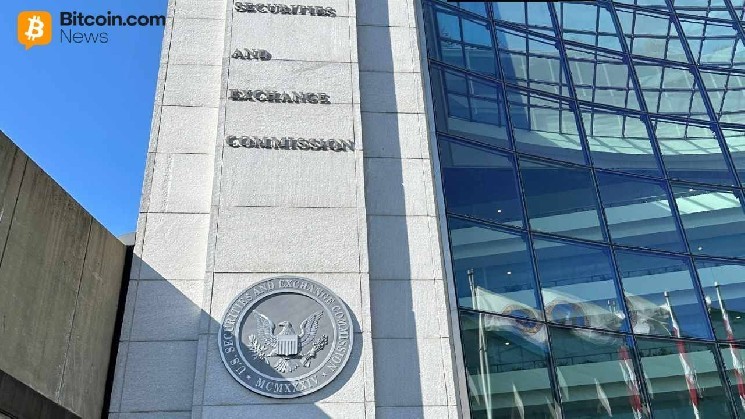
U.S. financial markets are poised to move on-chain. Under my leadership, SEC is prioritizing innovation and embracing new technologies to enable this on-chain future, while continuing to protect investors.
The SEC chair portrayed the shift as both inevitable and beneficial, emphasizing that the agency is actively aligning its regulatory posture with emerging financial technology rather than resisting it.
He highlighted concrete progress already underway, pointing to a no-action letter issued by the Division of Trading and Markets to the Depository Trust Company for its voluntary securities tokenization pilot program. The SEC chair described the initiative as a decisive step toward modernizing market infrastructure, signaling that core post-trade systems are beginning to integrate blockchain rails under regulatory supervision.
In additional posts, Atkins underscored the structural advantages of blockchain-based settlement and signaled openness to further regulatory flexibility. He wrote, “On-chain markets will bring greater predictability, transparency, and efficiency for investors,” and noted that DTC participants will be able to transfer tokenized securities directly to registered wallets of other participants, with movements recorded in DTC’s official books and records.
He characterized these capabilities as foundational improvements rather than incremental tweaks, suggesting that on-chain settlement can materially reduce friction, delays, and opacity in capital markets. Looking ahead, Atkins struck an even more optimistic tone, writing:
But this is just the beginning. I look forward to SEC considering an innovation exemption to allow innovators to begin transitioning our markets on-chain by harnessing new technologies and business models – without being burdened by cumbersome regulatory requirements.
The remarks reflect a bullish regulatory stance that views blockchain not as a niche experiment, but as a transformative layer for future market operations.

 news.bitcoin.com