
 cryptonews.net
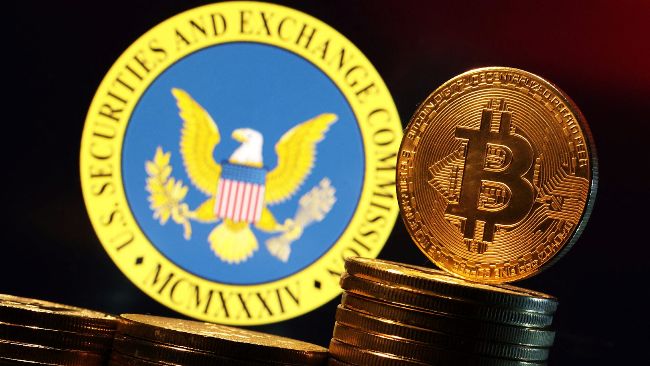
The U.S. Securities and Exchange Commission (SEC) recently stopped the launch of several high-risk, leveraged exchange-traded funds (ETFs). These products aimed to deliver up to five times the daily performance of various assets, including cryptocurrencies and stocks.
ETF Issuers Withdraw Filings After SEC Concerns
On Tuesday, the SEC issued warning letters to several ETF issuers, including Direxion, ProShares, and Tidal Financial. The agency stated it would not review the filings unless these firms addressed certain regulatory concerns. At the heart of the issue is Rule 18f-4 under the Investment Company Act of 1940. This rule limits how much leverage a fund can use, setting a cap on the fund’s exposure at 200% of its reference benchmark.
The proposed leveraged products, some targeting up to five times the daily returns of assets like Bitcoin and Tesla, exceeded this limit. The SEC expressed concerns that these funds, using derivatives to magnify returns, posed risks that exceeded acceptable levels. As a result, ProShares quickly moved to withdraw several of its 3x and crypto-related ETF applications after receiving the SEC’s warning.
SEC Draws a Line on Leverage with New Warning
The SEC’s actions signal a clear effort to curb the creation of high-risk ETFs. Issuers have been pushing the boundaries of leverage rules, with some attempting to create funds with exposures far beyond what regulators have allowed. The agency has now directly challenged such strategies, highlighting the need for these funds to comply with existing regulations or face rejection.
Leveraged ETFs have grown in popularity, particularly among retail traders. Total assets across leveraged funds now stand at $162 billion. However, the products also come with risks, as evidenced by steep losses in some ETFs, such as the Defiance Daily Target 2x Long MicroStrategy ETF, which is down more than 80% this year.
The Growing Trend of Leveraged Products
The SEC’s actions came during one of the most permissive periods for ETF approvals in recent years. Over the past year, the SEC has approved spot Bitcoin and Ethereum ETFs, along with crypto yield products and funds with options income strategies. Yet, the introduction of leveraged funds linked to highly volatile assets like crypto has raised alarms. Some of these leveraged funds, such as 5x products linked to both stocks and cryptocurrencies, drew immediate scrutiny.
Volatility Shares, a firm that filed for such a product, quickly became a target of the SEC’s regulatory response. The SEC’s decision reflects its focus on controlling the potential for excessive risk in these products. The SEC’s concerns focus not only on the potential for large losses but also on the speed with which it responded to these filings. Unlike typical correspondence, the SEC’s warning letters were made public immediately, signaling a heightened level of scrutiny.
Despite the SEC’s actions, leveraged funds continue to attract attention from traders looking for high returns. However, as the rules becomes more restrictive, the future of these high-risk products remains uncertain. Issuers now face the challenge of adjusting their strategies to align with the SEC’s rules or withdrawing their proposals entirely.
SEC’s Tightened Stance on Crypto Products
Former SEC Chairman Gary Gensler has long warned about the speculative nature of many crypto-linked assets. His warnings continue to shape the agency’s stance on new crypto-related financial products. Despite growing institutional interest, the SEC maintains that these assets remain too volatile and speculative for approval in leveraged funds. In the past year, the SEC has approved several crypto-linked funds, including Bitcoin and Ethereum ETFs.
However, the approval of such products has come with strict limits on risk exposure. The SEC’s recent actions against high-leverage crypto funds demonstrate its desire to prevent excessive risk in the market. Despite the regulatory crackdown, the market for leveraged ETFs continues to grow. Total assets in these funds stand at $162 billion, reflecting the strong demand for high-risk products.
The SEC’s latest move suggests that issuers may need to rethink their strategies if they wish to continue offering such products in the U.S. market. As of now, the SEC has yet to make any further public comments on the ongoing review process. However, it is clear that the agency is carefully scrutinizing the rise of high-risk financial products linked to volatile assets like cryptocurrency. The future of leveraged ETFs in the U.S. hinges on how issuers adjust their strategies in response to these regulatory pressures.