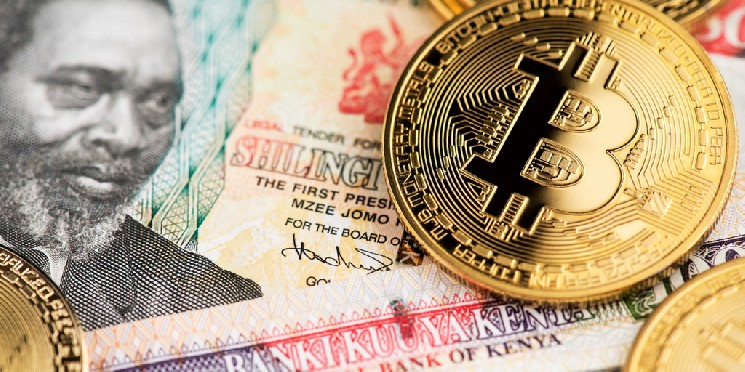
Among the bill’s highlights is the identification of Kenya’s key regulatory bodies for the industry, namely the Central Bank of Kenya and the Capital Markets Authority.
While each will play a role in regulating service providers like crypto wallets and exchanges, the Central Bank alone will oversee payment processors that arrange transactions between fiat and virtual currencies. On the other hand, Kenya’s Capital Markets Authority, is responsible for solely regulating brokers, investment advisors, and digital asset managers.
Crypto momentum has been growing in Africa with Sub-Saharan Africa ranking third in Chainalysis’ crypto adoption report, thanks in large part due to its strong retail activity.
Kenya specifically, ranked fourth among African countries by total value received from the year dated July 2024 to June 2025, with nearly $20 billion in assets received during that time. However, the country has lagged behind neighbors in terms of regulation, an analyst told Decrypt.
“Other countries in the region—notably South Africa—already have clear crypto licensing regimes, so Kenya is playing catch-up here,” said Coin Bureau analyst and co-founder Nic Puckrin.
“South Africa began issuing crypto licenses in 2023, having classified crypto assets as financial products the year before, so Kenya is around two years behind,” he added. “That means it will have to move quickly if it wants to become the ‘gateway into Africa.’”
Earlier this year, protests erupted in the country over financial distrust, and protesters pointed to crypto as a potential outlet for younger generations to escape an unfair system.
The region is familiar with using digital money, with 96% of households in Kenya having used a mobile money app called M-PESA. Sam Altman’s Worldcoin was present in the country as early as 2023, but privacy concerns led to a Kenyan court order clamping down on the firm’s practices earlier this year.
Additional reporting by Vince Dioquino

 decrypt.co