The final bill is narrower than the one Padilla first introduced. Earlier versions called for third-party audits and applied to all users, not only minors; those provisions were dropped amid industry pressure.
Too weak to do any good?
Several advocacy groups said the final version of the bill was too weak to make a difference. Common Sense Media and the Tech Oversight Project both withdrew their support after lawmakers stripped out provisions for third-party audits and broader enforcement. In a statement to Tech Policy Press, one advocate said the revised bill risked becoming “an empty gesture rather than meaningful policy.”
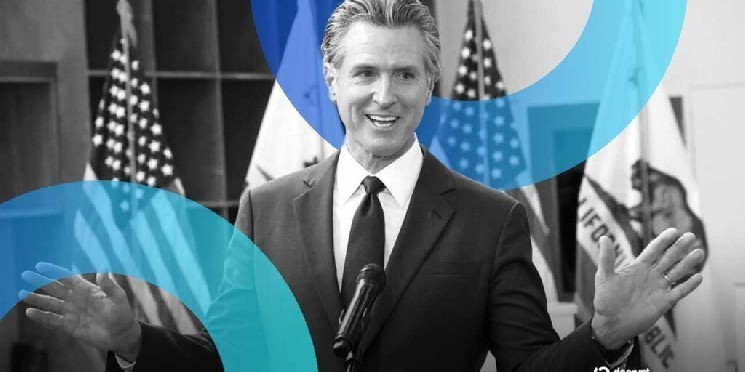
Newsom defended the law as a necessary guardrail for emerging technology. “Emerging technology like chatbots and social media can inspire, educate and connect—but without real guardrails, technology can also exploit, mislead, and endanger our kids,” he said in a statement. “We can continue to lead in AI and technology, but we must do it responsibly—protecting our children every step of the way.”
SB 243 accompanies a broader suite of bills signed in recent weeks, including SB 53, which mandates that large AI developers publicly disclose their safety and risk-mitigation strategies. Together, they place California at the forefront of state-level AI governance.
But the new chatbot rules may prove tricky in practice. Developers warn that overly broad liability could prompt companies to restrict legitimate conversations about mental health or sexuality out of caution, depriving users, especially isolated teens, of valuable support.
Enforcement, too, could be difficult: a global chatbot company may struggle to verify who qualifies as a California minor or to monitor millions of daily exchanges. And as with many California firsts, there’s the risk that well-intentioned regulation ends up exported nationwide before anyone knows if it actually works.

 decrypt.co