“Governments are moving to regulate stablecoins and other cryptocurrencies so consumers can reap their benefits and be protected from credit and liquidity risks. In fact, many jurisdictions worldwide either have, or will soon have, a regulatory framework for crypto assets.”
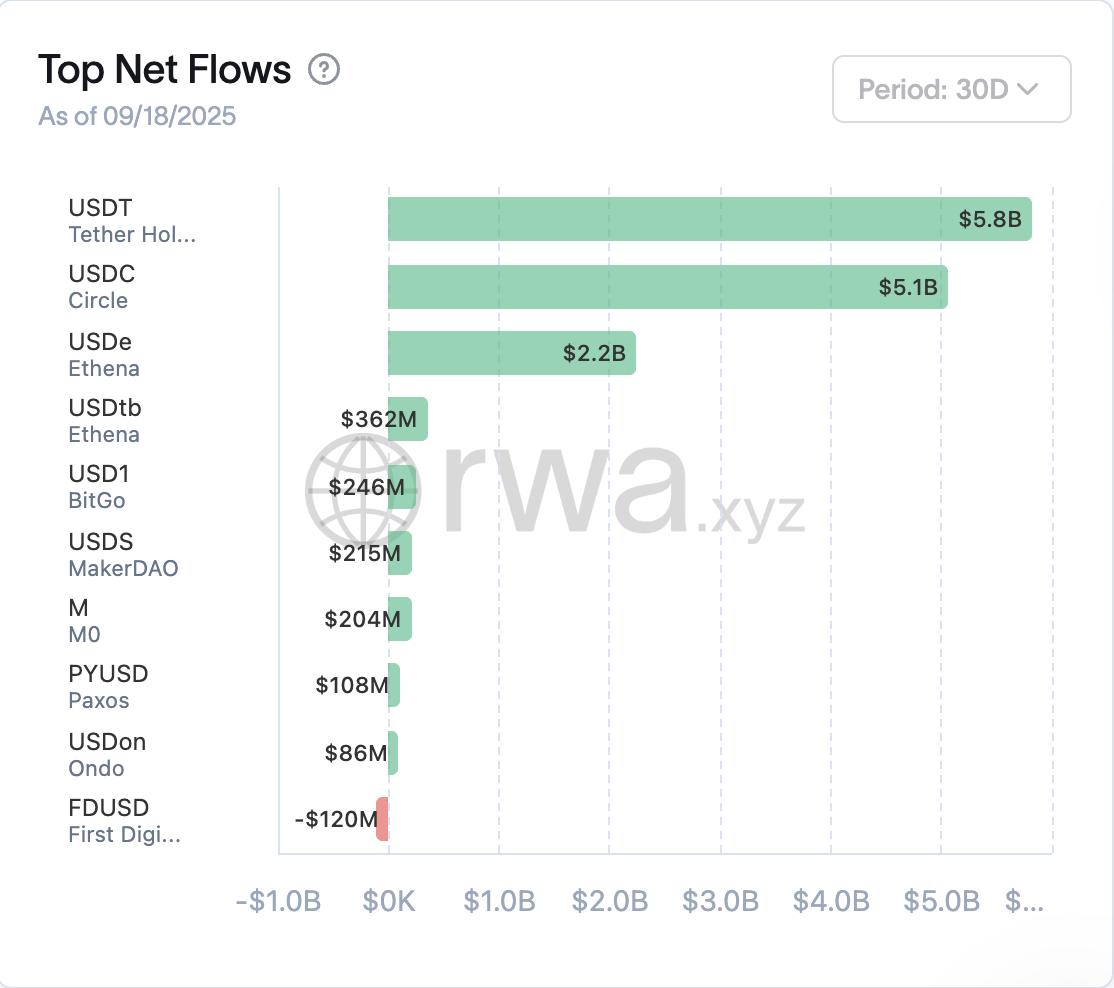
The stablecoin market is currently dominated by US-dollar pegged tokens. Source: RWA.XYZ
The comments came amid what many in the crypto industry are calling “stablecoin summer,” a reference to the renaissance stablecoins are experiencing following the passage of the GENIUS Act in the United States, which paved the way for mass adoption of stables.
Related: ASIC eases licensing rules for stablecoin distributors in Australia
Bank of Canada backtracks on central bank digital currency plans
In 2022, Canada’s central bank collaborated with the Massachusetts Institute of Technology (MIT), a globally recognized research university focused on science and tech, to develop a central bank digital currency (CBDC).
However, in September 2024, the bank abandoned its CBDC plans to focus on other priorities, including the development of a real-time payment system that would allow users to receive funds instantly.
The bank surveyed Canadians about their perceptions of a CBDC and found that 42% of respondents viewed CBDCs positively, while 20% of respondents indicated that they “disliked” or even “hated” the idea.
CBDCs continue to be a contentious topic for the crypto community, with many participants saying the technology is antithetical to the values of open, permissionless finance. Critics of CBDCs also say the tokens could usher in a surveillance state.
Magazine: Unstablecoins: Depegging, bank runs and other risks loom

 cointelegraph.com