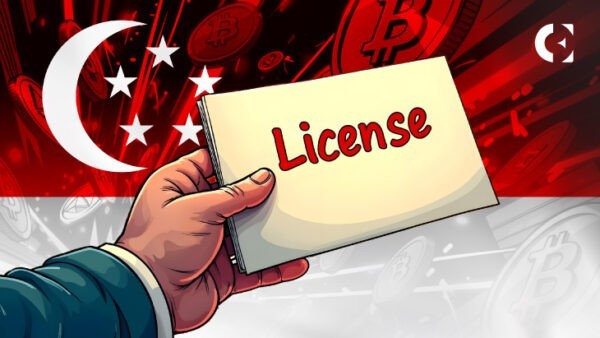
Related: Singapore’s June 30 Crypto Deadline Forces Firms to Secure License or Exit
Clear Rules, Stronger Trust
Back in 2019, Singapore’s Payment Services Act of 2019 already set the rules for cryptocurrency businesses. It requires any firm based in Singapore to be fully licensed, even if all its clients are located outside the country.
Then, in August 2023, MAS finalized regulations for single-currency stablecoins pegged to the Singapore dollar or any G10 currency.
The main rules say that companies issuing these coins must hold all the cash to back them up in safe assets, promise to buy them back (redemption) at full value within five days, keep the funds separate, have enough capital to operate, and submit to audits.
Crackdown on Non-Compliant Exchanges
More recently, in June, Singapore cracked down on exchanges that serve overseas clients without a license. Under new guidelines, those operations must either get a license by a deadline or cease such services.
Many Asian countries don’t yet have clear stipulations for stablecoins or tokenization. As such, Singapore’s well-established guidelines give companies and investors more regulatory certainty, which in turn attracts businesses, new ideas, and funding.
Adoption Reflects Growing Awareness
This reflects on the population as well, since about 26% owned cryptocurrencies of some kind last year, which is an increase of around 1.6% compared to 2023. Crypto awareness is also very high, with approximately 94% of residents being aware of crypto.
In the end, as other major financial hubs in Asia work on their own digital finance rules, Singapore’s clear framework could become the gold standard that others in the region look to for guidance and cooperation.
Related: Hong Kong Moves to Compete Globally by Softening Crypto Rules for Local Lenders
Disclaimer: The information presented in this article is for informational and educational purposes only. The article does not constitute financial advice or advice of any kind. Coin Edition is not responsible for any losses incurred as a result of the utilization of content, products, or services mentioned. Readers are advised to exercise caution before taking any action related to the company.

 coinedition.com