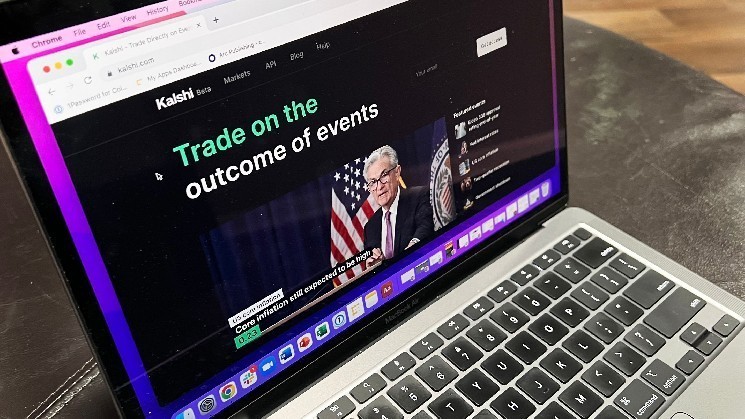
The filing said Kalshi's prediction markets, which are structured as binary options, operate the same way licensed sports wagering operators' products do, comparing it to FanDuel as an example.
"Kalshi is in the business of accepting wagers, defined as 'a sum of money or thing of value risked on an uncertain occurrence' on amateur and professional sporting events in the form of selling sporting event contracts," the filing said, adding, "Kalshi’s sporting event contracts constitute sports wagering as defined by [Massachusetts General Law Chapter 23, section three] and applicable regulations."
A portion of the lawsuit points to actions the Attorney General's office alleges are designed to hook possible bettors.
"Kalshi’s platform employs behavioral design mechanisms drawn from gambling psychology, including features that encourage impulsive engagement, exploit award anticipation, and diminish users’ perception of financial risk," the filing said.
It pointed to Kalshi's website design, including presenting possible payouts in "bright green font, a color that signals safety and correctness," while odds were presented in black font. "This interface design subtly encourages high-risk transactions by emphasizing reward while obscuring risk."
Campbell said "if Klashi wants to be in teh sports gaming business in Massachusetts, they must obtain a license" in a statement. "Sports wagering comes with significant risk of addiction and financial loss and must be strictly regulated to mitigate public health consequences."
In a statement, a Kalshi spokesperson said, "Kalshi offers its users a fair, transparent, federally-regulated, and nationwide marketplace. Rather than engage in dialogue with Kalshi as many other states have done, Massachusetts is trying to block Kalshi’s innovations by relying on outdated laws and ideas. Prediction markets are a critical innovation of the 21st century, and all Americans should be able to access them. We are proud to be the company that has pioneered this technology and stand ready to defend it once again in a court of law."

 coindesk.com