What happened to Gensler’s text messages?
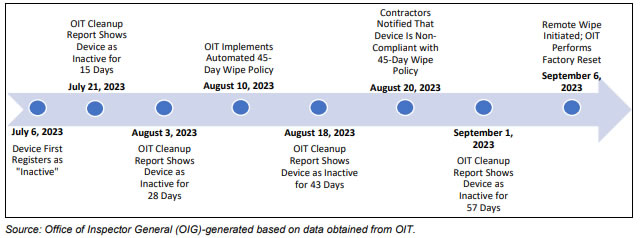
The SEC OIG determined that an automated enterprise wipe, implemented by the agency’s IT department, deleted stored text messages and operating system logs from Gary Gensler’s government-issued mobile device. The wipe coincided with failures in change management and insufficient backups.
How did the IT process cause permanent data loss?
The OIG report details that the IT team implemented a poorly understood automated policy that erased device data. Critical contributing factors included:
- Missed backups and no reliable archive of device logs.
- Unaddressed vendor software flaws that prevented proper device reporting.
- Ignored system alerts and inadequate change-management documentation.
Why does this matter for crypto enforcement?
Key communications about enforcement timing and strategy were among the messages lost. Investigators recovered about 1,500 messages from colleagues; roughly 38% were mission-related to SEC senior staff decisions, including texts discussing when the Commission would file actions against crypto platforms and founders.
That loss affects courts, Congress, and public oversight and may limit responses to Freedom of Information Act requests and other transparency mechanisms.
What did investigators recover and confirm?
Investigators reconstructed a partial record from colleagues and other sources. They confirmed:
- Approximately 1,500 messages were recovered from non-device sources.
- A large share of recovered messages were federal records tied to enforcement activity.
- Operational logs that could have explained device disconnects were not retained.
What actions has the SEC taken since the loss?
The SEC has disabled text messaging on most devices, notified the National Archives and Records Administration of lost records, introduced Capstone-specific records training for senior officials, and begun improving backup practices for leadership devices.
How will this affect transparency and oversight?
The loss raises immediate transparency concerns. Missing messages from a senior regulator during a peak enforcement year — when crypto-related enforcement actions reached a decade high — removes evidentiary context for enforcement timing and internal deliberations.

 en.coinotag.com