
 news.bitcoin.com
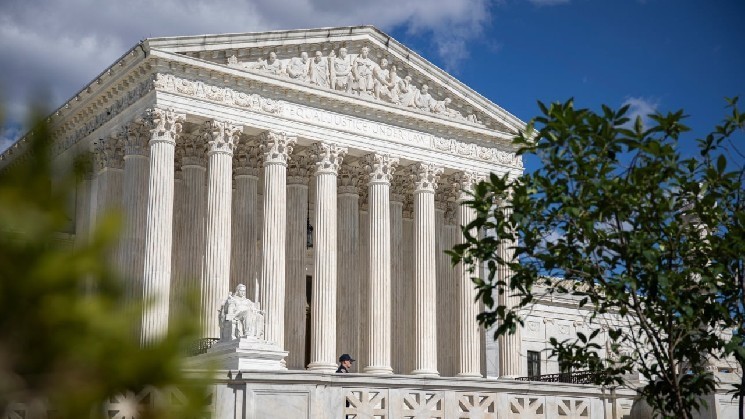
The Supreme Court is being urged to dismantle a controversial IRS tactic that allowed warrantless data grabs from 14,000 crypto users, redefining privacy rights for the digital age.
Mass IRS Record Seizure Hits 14,000 Crypto Users—Can the Supreme Court Push Back?
A constitutional showdown over the privacy rights of cryptocurrency users could reshape how digital financial data is protected under the Fourth Amendment. On June 13, the New Civil Liberties Alliance (NCLA) and Supreme Court litigator Kannon Shanmugam filed a reply brief with the U.S. Supreme Court in Harper v. Faulkender, challenging the federal government’s use of the “third-party doctrine” to justify warrantless seizures of crypto-related financial records. The case centers on James Harper, a Coinbase customer whose data was swept up in an Internal Revenue Service (IRS) probe. According to the brief:
The Internal Revenue Service unlawfully seized financial records of NCLA client James Harper and more than 14,000 other people from the Coinbase cryptocurrency exchange through abuse of a ‘John Doe’ summons.



