
 news.bitcoin.com
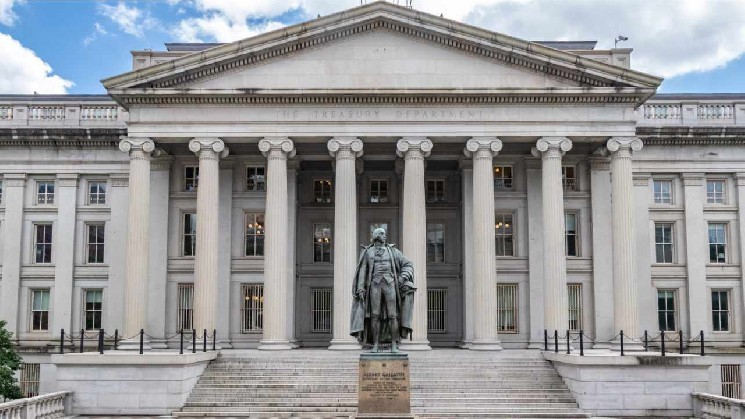
Senators push Treasury to shield U.S. crypto firms from devastating tax on unrealized gains, warning of risk to digital asset leadership.
Treasury Pressured to Act Fast as Unrealized Crypto Gains Face Tax Storm
U.S. Senator Cynthia Lummis (R-WY) and Senator Bernie Moreno (R-OH) are calling on the U.S. Department of the Treasury to act swiftly in correcting an emerging tax issue that could significantly impact the digital asset sector. In a letter addressed to Treasury Secretary Scott Bessent on May 12, the senators warned that the corporate alternative minimum tax (CAMT), combined with recent changes in accounting standards, may trigger taxation on unrealized gains from digital assets.
Lummis reinforced the urgency on social media platform X on May 13:
Our edge in digital finance is at risk if U.S. companies are taxed more than foreign competitors.
“Sen. Bernie Moreno & I urged the U.S. Treasury to lift an unintended tax burden on U.S. digital asset companies. To lead the world in digital assets, we need a level playing field,” the lawmaker from Wyoming added.
The senators’ concerns center around a 2022 provision in the Inflation Reduction Act that established a 15% corporate alternative minimum tax (CAMT) on adjusted financial statement income (AFSI) for companies averaging $1 billion or more in AFSI over three years. AFSI must align with standards from the Financial Accounting Standards Board (FASB) or international reporting rules. A recent FASB update mandates that corporations use fair value accounting for digital assets, requiring them to mark these assets to market, including unrealized gains and losses.
As a result, companies holding digital assets could face tax liabilities on value increases they have not actually realized. The senators stated:
Failure to provide this clarity on unrealized gains in digital assets might require corporations to sell assets just to pay the tax, and it would disincentivize entities from maintaining large holdings of digital assets.
To address the problem, the lawmakers urged Treasury to use its authority under Sections 56A(c)(15) and 56A(e) of the tax code to revise the AFSI definition so that it excludes unrealized gains and losses from CAMT calculations. Alternatively, they proposed a narrower fix targeting accounting changes under ASU 2023-08. They emphasized the competitive imbalance this creates, as foreign firms using different accounting standards may not face the same burdens, potentially undermining U.S. leadership in digital innovation. The letter also referenced a 2023 IRS notice that previously provided interim relief for similar unintended consequences in the insurance sector. Lummis and Moreno concluded their message by offering to collaborate with Treasury staff, asserting that timely guidance is essential to protect American companies from a flawed tax outcome.