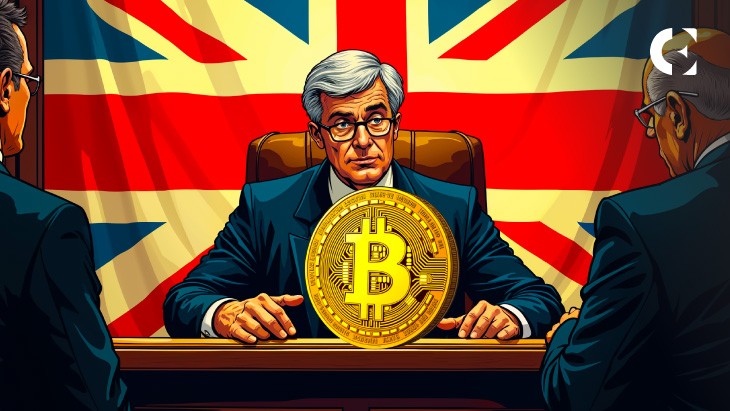
Bank of England’s Rate Hike Supports Sterling
On November 5, the Bank of England raised interest rates by 0.25 percentage points to 4%. This marked its first rate increase since 2023.
The decision was largely due to energy price spikes amid the ongoing Middle East conflict. UK inflation reached 3.5% in September, and the central bank warned that it could approach 5% by mid-2027.
The Bank of England also signalled that further rate increases remain on the table if inflation stays elevated.
Stronger GDP figures will reinforce expectations that interest rates will remain higher for longer, supporting the British pound against the US dollar as investors seek better returns from UK interest rates.
However, the source of sterling’s strength remains important. Growth driven by stronger consumer spending, business investment and industrial activity signals a healthier economy and attracts more investors.
By contrast, a pound rally driven primarily by expectations of additional rate hikes carries economic risks. Higher interest rates increase borrowing costs for households and businesses, slowing economic activity over time.
Follow us on X for real-time crypto updates.
GBP/USD and UK Bond Yields in Focus
Traders will closely monitor the GBP/USD exchange rate and UK government bond yields following the GDP report.
On November 9, the British pound gained around 0.5% against the US dollar, rising to $1.3421. The advance followed the Bank of England’s interest rate hike and improved market confidence as concerns about technology stocks eased.
Traders will also monitor two important UK bond yields:
-
Two-year gilt yield: Reflects investor expectations for the Bank of England’s near-term interest rate decisions.
-
Ten-year gilt yield: Reflects longer-term expectations for inflation, economic growth and government borrowing costs.
The UK’s 10-year bond yield stood at around 5.13% on November 9, despite a small daily decline.
Stronger-than-expected GDP growth accompanied by rising two-year bond yields signals that traders expect further interest rate increases.
However, sharp increases in both two-year and ten-year yields point to concerns about persistent inflation and higher borrowing costs rather than confidence in economic growth alone.
Bitcoin Faces Additional Pressure
Bitcoin’s reaction to the UK’s GDP report will depend on bond yields, investor sentiment and broader financial market conditions.
When government bond yields rise, investors gain access to more attractive returns from traditional assets. Bitcoin, which pays no interest, faces stronger competition for investment capital.
Higher UK yields will increase selling pressure on Bitcoin, particularly if investors reduce their exposure to riskier assets.
However, a stronger pound does not automatically translate into a Bitcoin decline. Bitcoin remains heavily influenced by US dollar movements and broader market conditions.
If sterling rises on stronger UK economic growth while risk appetite remains intact, Bitcoin’s reaction will be limited.
Conversely, weak economic growth combined with high inflation will intensify stagflation concerns. This will weigh on the pound and complicate expectations for future central bank rate cuts.
What UK GDP Means for Sterling and Bitcoin
Thursday’s GDP figures will reveal whether the UK economy can sustain growth despite higher borrowing costs and rising energy prices.
For Bitcoin traders, the central issue is whether stronger economic growth will improve market sentiment without triggering a retreat from risk assets.
Subscribe to our YouTube channel for the latest crypto news.
Related: How Wall Street Changed Bitcoin’s 2024–2026 Market Cycle

 coinedition.com