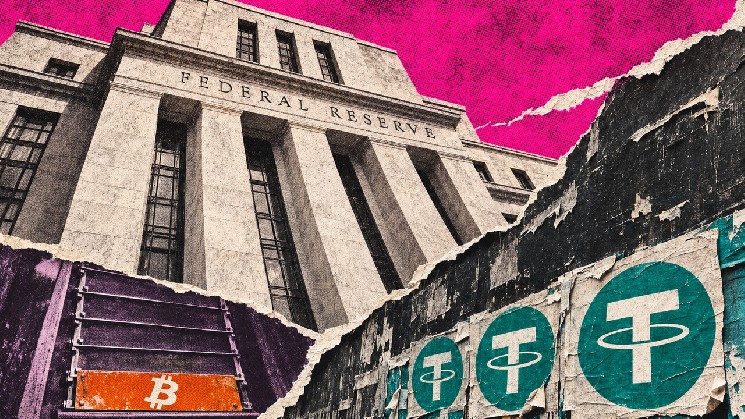
A Nov. 5 Treasury-cash analysis considered a possible December funding window using projected cash paths and the older Oct. 28 reserve baseline. The new release updates that starting point with a rebound in realized reserves.
Coinbase's completed Nov. 5 daily BTC-USD candle closed at $75,969.06, down 5.54% from $80,428.31 on Nov. 4. That close-to-close fall followed the dated reserve observation, putting the price move outside the bank-balance comparison window.
Bank reserves rose as token supply contracted
The Fed’s H.4.1 release puts Nov. 4 reserve balances at $2.96 trillion. Over the preceding week, the Treasury General Account, the government’s account at the Fed, fell $79.4 billion to $936.2 billion.
Treasury payments move balances into depository institutions’ accounts, increasing reserves all else equal, while receipts flowing into Treasury’s account work in the opposite direction.
The final reserve change also incorporates movements elsewhere on the Fed’s balance sheet. Total assets rose $2.5 billion, while other balance-sheet changes offset part of the effect of the Treasury-account drawdown.
Tether’s $USDT series fell 3.65 billion units, accounting for 63.37% of that measured contraction, while USD Coin (USDC) circulation declined 383 million units, contributing 6.64%. Other tracked dollar-pegged tokens together contracted a net 1.73 billion units.
The issuer breakdown locates the largest measured change in $USDT. Whether, and to what extent, issuer redemptions, bridge-accounting adjustments, reclassification, or coverage revisions contributed remains unquantified.
The Bitcoin recovery case still needs demand evidence
Reserves are banks’ settlement balances at the Fed, while stablecoin circulation measures the tracked stock of dollar-pegged tokens.
DefiLlama’s selected dates carry midnight UTC labels, while the Fed reports Wednesday levels. The comparison aligns calendar labels while leaving the underlying collection times unsynchronized.
For a liquidity-led recovery thesis, further evidence needs to connect reserve balances with financing and buying. A broader token supply could add evidence about crypto-native dollar availability, while proof of Bitcoin demand would still require its own observations.
Neither supply series resolves the cause of the subsequent selloff, and delayed liquidity effects remain possible. The observed divergence leaves the bank-to-Bitcoin demand channel open.

 cryptoslate.com