Crypto Shows 50.91% Profitability, but Only 18.41% of Futures Traders Win
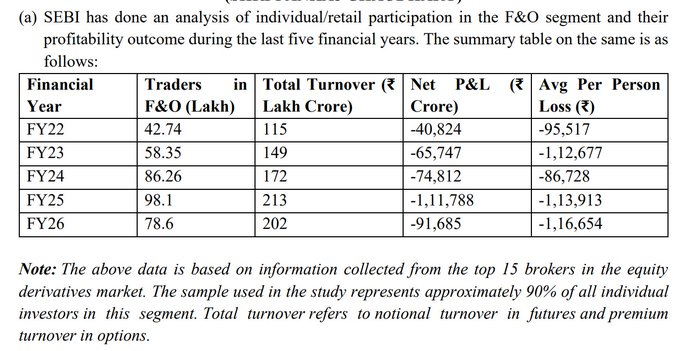
Trader participation surged from 4.274 million (42.74 lakh) in FY22 to 9.81 million (98.1 lakh) in FY25 before slightly declining, with notional turnover peaking at $2.232 trillion (₹213 lakh crore) and average losses per trader ranging between $995 and $1,226 (₹95,000 and ₹1.17 lakh).
Based on KoinX’s report, which analyzed over 670,000 Indian crypto users in FY 2024–25, around 50.91% of users were profitable, while 49.09% reported losses. However, profits were heavily concentrated, with the top 5% accounting for nearly 96% of total gains.
The picture worsens in derivatives. Only 18.41% of KoinX futures traders were profitable, with total losses exceeding gains ($287M vs $261M). Broader industry data suggests that 70–80% of crypto derivatives participants incur losses, mirroring trends seen in India’s equity F&O market.
Moreover, industry data from other Indian crypto platforms show that about 70-80% of the participants in the crypto derivatives and futures segment are incurring losses. These losses are suffered primarily by retail investors, who make up approximately 70% of futures activity. This pattern mirrors KoinX’s equity F&O, but in a largely unregulated or lightly supervised market.
What’s Next for Indian Retail Crypto and F&O Traders?
In both markets, the structural advantage lies with the more well-resourced and institutional market participants. For retail traders who remain active, they will require better risk management, a healthy perception of the likelihood, and an awareness of changing disclosure and taxation requirements.
Related: Indian Crypto Trading Shifted Offshore in FY25 Amid Tax Pressures

 coinedition.com