
 cryptobriefing.com
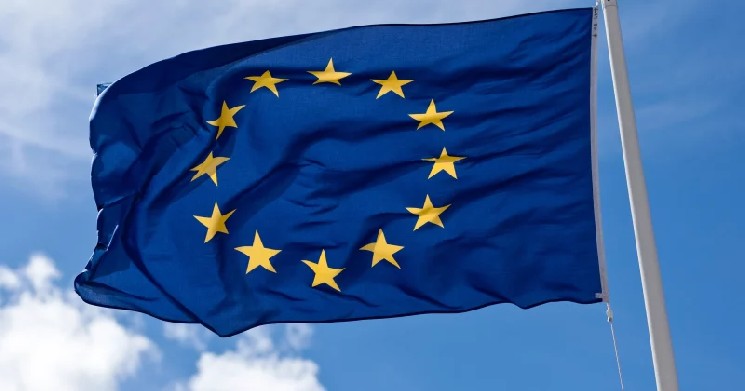
Europe’s six economic heavyweights just told Brussels to pick up the pace. The finance ministers of France, Germany, Italy, the Netherlands, Poland, and Spain, collectively calling themselves the E6, sent a joint letter on March 11 to European Commission economy chief Valdis Dombrovskis demanding faster integration of the continent’s capital markets.
The target: reach agreement on the Market Integration and Supervision Package, known as the MISP, by summer 2026.
What the E6 actually wants
The E6 group, which formed in late January 2026, laid out a fairly ambitious shopping list in their letter. At the top: enhanced EU-level oversight of financial market infrastructures, including stock exchanges. They’re also pushing to eliminate national barriers that currently make cross-border fund distribution unnecessarily painful.
Beyond the structural reforms, the E6 is calling for revisions to the securitisation framework by autumn 2026. Then there’s the digital angle. The letter advocates for accelerated development of pan-European digital payment networks alongside the implementation of a digital euro.
A decade of false starts
This isn’t Europe’s first attempt at unifying its capital markets. The original Capital Markets Union initiative launched in 2015 with similar ambitions. It has since been rebranded as the Savings and Investment Union, or SIU.
The E6 letter explicitly frames deeper integration as an urgent strategic necessity for enhancing Europe’s economic growth, sovereignty, and the financing of shared priorities.
What this means for crypto and digital assets
The E6 letter did not reference any specific crypto tokens or digital currencies. Europe already has MiCA, its Markets in Crypto-Assets regulation, which provides a comprehensive framework for crypto.
Investors should track whether the European Commission responds with concrete legislative proposals in the coming months. Summer 2026 is an ambitious deadline for MISP agreement, and smaller member states have historically resisted ceding financial oversight to EU-level authorities.