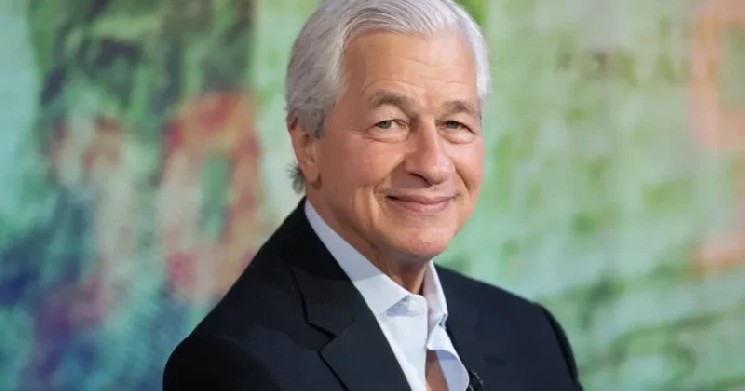
The field has narrowed in recent months. Daniel Pinto, who served as a top executive and was once considered a serious contender, is set to retire at the end of 2026. Jennifer Piepszak, currently serving as chief operating officer, has taken herself out of the running entirely.
Dimon has been characteristically specific about what he’s looking for in a successor. He’s stressed that leadership qualities matter more than pure technical chops: JPMorgan doesn’t just want someone who can read a balance sheet, but someone who can inspire employees, navigate geopolitical risk, and make hard calls under pressure.
The retention game
JPMorgan’s board has granted retention awards to key executives, essentially financial incentives designed to keep the talent pipeline intact during what could be a multi-year transition period.
The board has also taken the somewhat unusual step of publicly recognizing succession efforts in its proxy filings, reassuring shareholders that the process is structured and deliberate.
Dimon himself has indicated he plans to remain CEO until at least 2026, and possibly longer. After stepping down as chief executive, he has suggested he may transition into an executive chairman role.
What this means for investors and the broader market
The emphasis on internal candidates should be read as a vote for strategic continuity. An internal successor, particularly one groomed within the existing operating committee, is far more likely to maintain Dimon’s playbook than to tear it up.
JPMorgan has been one of the more active traditional banks in exploring blockchain technology and digital asset infrastructure. Dimon has been famously skeptical of Bitcoin personally while allowing JPMorgan to build out blockchain capabilities. How the next CEO approaches that space could matter significantly for the intersection of traditional finance and digital assets.

 cryptobriefing.com