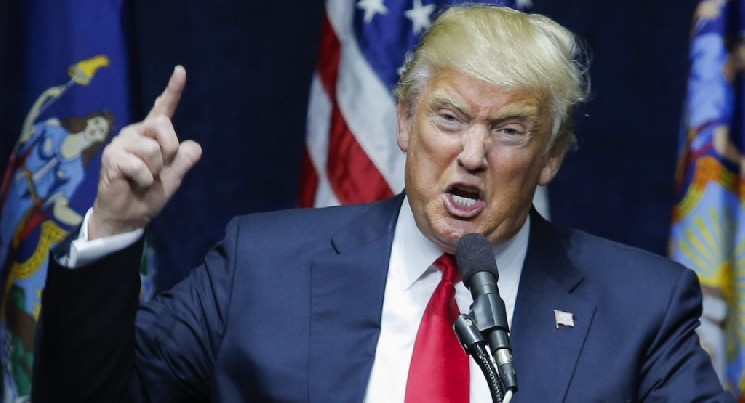
US President Donald Trump, in his statements regarding Iran, indicated that diplomatic talks were ongoing and argued that the Tehran administration wanted to reach an agreement.
Trump stated, “We are negotiating with Iran,” and claimed that Iran was “practically begging” for a deal. However, he also warned that a new military attack on Iran was possible, adding that a decision regarding Iran would be announced soon.
With the rise in geopolitical tensions, notable developments are also taking place on the NATO front. The Alliance is reportedly considering a possible mission to ensure the security of passage in the Strait of Hormuz should maritime traffic be disrupted until July. However, it is stated that there is no complete consensus among NATO members on this issue yet. While some countries support intervention, others oppose further involvement in conflicts linked to Iran.

Uncertainty surrounding the Strait of Hormuz, one of the world’s most critical energy transit points, continues to put pressure on energy markets. Oil and LNG prices are rising, while concerns about global economic growth are intensifying. In particular, the expectation that rising energy costs could accelerate inflation again is weakening risk appetite in the markets.
On the macroeconomic front, a notable movement occurred in the US bond markets. The yield on 30-year US Treasury bonds rose to 5.18%, reaching its highest level since 2007. Rising energy prices, increasing budget deficits, and weak expectations for fiscal reform all contributed to the acceleration of global bond sales.
Market expectations regarding the US Federal Reserve’s interest rate policies have also begun to shift. While expectations of interest rate cuts during the year were prominent previously, recent developments have led investors to price in a “long period of high interest rates” scenario.
*This is not investment advice.