
 cryptobriefing.com
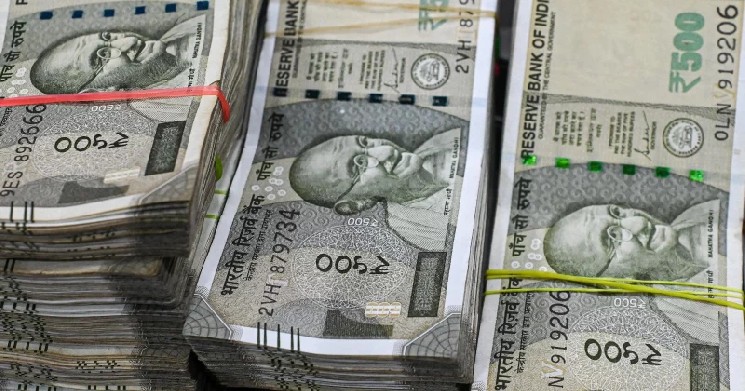
India just made it significantly harder to bring silver into the country. Starting May 16, 2026, high-purity silver bars, those with 99.9% purity or higher, have been reclassified from “Free” to “Restricted” under the country’s trade policy. The practical effect: more than 90% of silver imports now require a government-issued license.
The move, implemented by the Directorate General of Foreign Trade (DGFT), is part of a broader effort to stem foreign exchange outflows at a time when the rupee is under pressure from geopolitical turmoil and rising energy costs.
What actually changed
The restriction targets silver bars classified under ITC HS Codes 71069221 and 71069229. Previously, importers could bring in these bars without any special authorization. Now they need a license, which means bureaucratic gatekeeping on a commodity that India imports in massive quantities.
The licensing requirement doesn’t apply to everyone equally. Exemptions exist for 100% Export Oriented Units (EOUs), Special Economic Zones (SEZs), and imports tied to export promotion schemes. In other words, if you’re importing silver to make something that gets sold abroad, Delhi is fine with that. It’s the imports that stay domestic, pulling hard currency out of the country, that the government wants to throttle.
This reclassification didn’t happen in isolation. Just days earlier, on May 12, 2026, India hiked import duties on both gold and silver from 6% to 15%. An additional 3% Integrated Goods and Services Tax (IGST) on bullion imports was also applied. Combined with the new licensing rules, the effective cost of importing silver into India has jumped dramatically in the span of a single week.
Why now: the rupee problem
India’s currency has been sliding, squeezed by a combination of factors including rising energy costs linked to geopolitical tensions. India, as one of the world’s largest oil importers, absorbs those shocks directly through its trade balance.
The government also appears to be targeting a specific arbitrage play. The India-UAE free trade agreement, known as the Comprehensive Economic Partnership Agreement (CEPA), had created a pricing gap that traders were exploiting. Importers could bring silver in through the UAE corridor at preferential rates, effectively undercutting the standard duty structure. By restricting imports and hiking tariffs simultaneously, Delhi is closing that loophole.
Broader context
India has a long history with precious metals trade policy, periodically tightening and loosening import rules on gold and silver depending on the health of its current account deficit. With about 80% of its silver demand met through imports, the country’s dependence on foreign supplies makes it vulnerable to fluctuations in both currency value and geopolitical stability.
The duty increase from 6% to 15% is notable for its speed and magnitude. A 9-percentage-point jump in a single policy action signals urgency around forex depletion and trade imbalances.