
 cryptobriefing.com
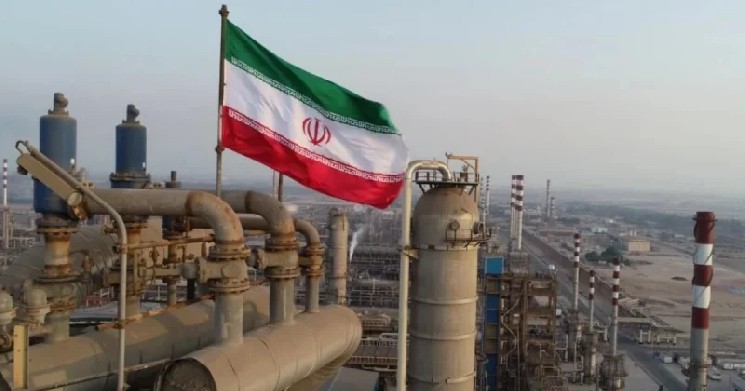
The US Treasury Department is going after Iran’s oil money, and this time, the crypto industry is caught in the crosshairs.
New sanctions under what the government is calling Operation Economic Fury target a sprawling network of companies, individuals, and vessels involved in smuggling Iranian oil to China. The kicker for crypto markets: $344 million in digital assets linked to Iranian wallets have been frozen as part of the crackdown.
What happened and who got hit
The first wave landed on April 15, when the Treasury sanctioned three Iranian currency exchange houses that were reportedly handling billions in annual revenues.
Then on May 11, a second round of sanctions dropped. This time, nine companies and three individuals were designated for their roles in facilitating oil shipments to China, Iran’s largest crude buyer and the destination for most of its shadow fleet cargo.
The US Navy added an exclamation point on April 24 by seizing an Iran-linked tanker, a move that took enforcement from spreadsheets to the open sea.
Oil exports account for roughly 80% of Iran’s economy. Tehran has built an elaborate system of shadow fleets, front companies, and increasingly, cryptocurrency infrastructure to keep that revenue flowing despite years of US sanctions.
The crypto angle
Iran’s relationship with crypto didn’t start yesterday. Tehran has been exploring digital assets as a sanctions evasion tool since at least 2018, using Bitcoin and other tokens to settle oil transactions and convert revenue outside the traditional banking system.
In early April, Iran reportedly proposed accepting Bitcoin payments for oil tanker transits through the Strait of Hormuz.
The $344 million freeze is substantial by any measure. Annual estimates suggest roughly $150 million in crypto is laundered through Iranian-linked operations each year. Freezing more than double that annual figure in a single action signals that US intelligence has mapped out a significant portion of Iran’s digital financial infrastructure.
What this means for investors
Crypto analysts have flagged the potential for 2-5% dips in Bitcoin prices as a direct consequence of these sanctions. The logic is straightforward: frozen wallets create liquidation pressure, and the regulatory overhang introduces uncertainty that tends to suppress risk appetite.
The secondary sanctions threat is worth watching closely. The Treasury has signaled willingness to go after foreign banks and refineries that engage with Iran’s smuggling networks. If that threat extends to exchanges or financial institutions that process transactions tied to sanctioned wallets, the compliance costs for the entire crypto industry could rise significantly.