
 cryptobriefing.com
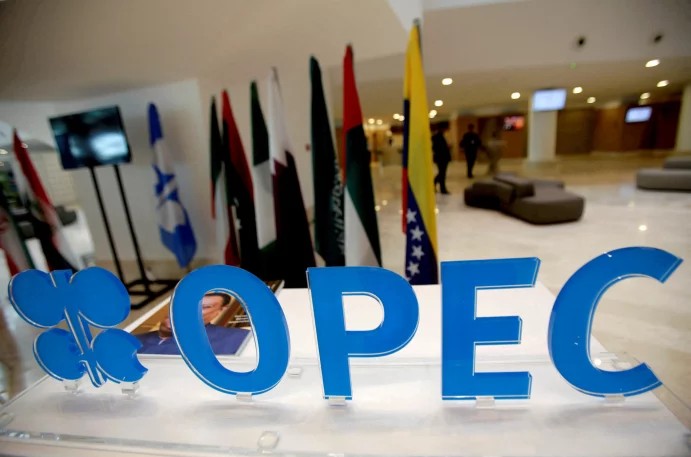
The United Arab Emirates is leaving OPEC. After nearly six decades of membership, the Gulf state announced its departure from the oil cartel, effective May 1, 2026. The UAE was OPEC’s third-largest producer, sitting on spare capacity estimated at 3 to 3.5 million barrels per day.
A feud decades in the making
The tension between the UAE and Saudi Arabia over oil policy isn’t new. It has roots stretching back to the 1950s Buraimi dispute, a territorial conflict over a desert oasis suspected of containing vast oil reserves. The late journalist David Holden documented how Saudi Arabia attempted to bribe a prince of the UAE’s al-Nahyan family to cede control of the territory. When that failed, an invasion followed.
The breaking point appears tied to broader geopolitical disagreements. The two Gulf states have adopted contrasting stances on Iran and the conflict in Yemen. The UAE has also been quietly preparing its infrastructure for independence from Saudi-influenced chokepoints. It has built a 249-mile bypass pipeline to the Gulf of Oman, specifically designed to reduce reliance on the Strait of Hormuz, the narrow waterway through which roughly a fifth of the world’s oil supply passes.



