
 en.bitcoinsistemi.com
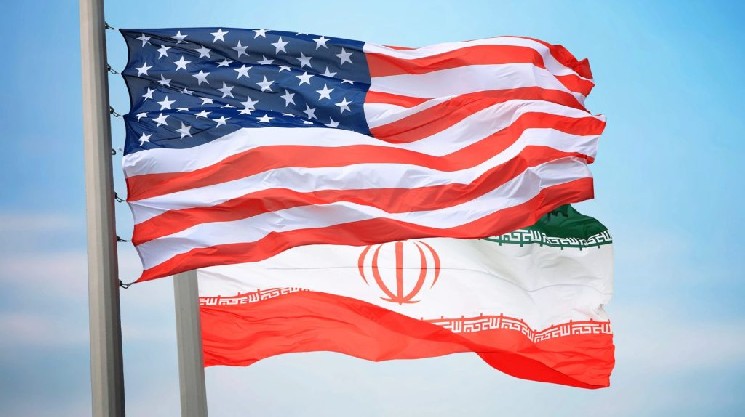
In the nuclear negotiations between the US and Iran, uranium enrichment has emerged as the biggest point of disagreement between the parties.
During talks held in Islamabad over the weekend, the US reportedly demanded that Iran halt its uranium enrichment activities for at least 20 years. According to sources close to the matter, Tehran rejected this demand, proposing a shorter moratorium limited to single-digit years.
The main point of disagreement in the negotiations was the future of Iran’s nuclear program, and particularly the fate of its enriched uranium stockpiles. The US side demanded that Iran completely remove its highly enriched uranium from the country, while Iranian officials indicated they could accept a “controlled depletion” process instead.
According to diplomatic sources, the parties were very close to reaching an agreement in the first phase by Sunday morning. However, a press statement by US Vice President JD Vance changed the course of the process. Vance, without giving any signal that an agreement was close, blamed Iran and announced that the US delegation was leaving the talks. This announcement reportedly caused serious unease on the Iranian side.
US President Donald Trump announced that he had decided to impose a naval blockade on Iran in order to increase pressure in negotiations. This move is seen as part of Washington’s strategy to increase its bargaining power.
Seyyed Mahmoud Nabavian, a member of the Iranian Parliament who participated in the negotiation process, also confirmed that the disagreement stemmed from two US demands: a complete halt to uranium enrichment and the removal of existing stockpiles from the country.
Israeli Prime Minister Benjamin Netanyahu, in a statement referring to his phone call with Vance, said that the key issue in the negotiations is Iran’s complete cessation of uranium enrichment in the future and the destruction of existing enriched material.
On the other hand, diplomatic contacts have not completely ceased. A US official stated that talks are ongoing between the parties and progress is being made toward reaching an agreement. Pakistan, Egypt, and Turkey are playing an active role in the mediation process.
Turkish Foreign Minister Hakan Fidan, who is involved in the process on behalf of Turkey, stated that the parties initially came to the table with maximalist demands, but that common ground could be found with the support of mediators. Fidan added that he believed both sides were sincere in their commitment to maintaining the ceasefire.
It is reported that extending the current ceasefire for 45 to 60 days is also being considered to allow time for negotiations. However, according to experts, the process could reach a serious impasse if the uranium enrichment issue becomes an “all or nothing” situation.
*This is not investment advice.