
 cryptobriefing.com
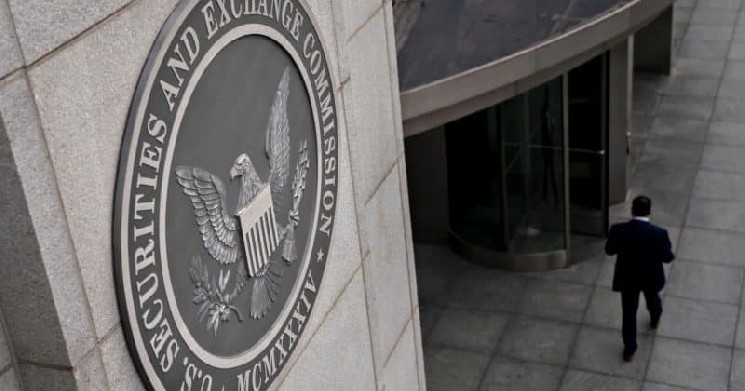
The US Securities and Exchange Commission has approved a Nasdaq rule change that enables the trading of securities in tokenized form, marking a major step in integrating blockchain-based assets into traditional market infrastructure.
The approval allows eligible securities, including stocks from the Russell 1000 and ETFs tracking major indices such as the S&P 500, to be represented and traded as tokenized assets on Nasdaq. These tokenized versions will trade on the same order book as traditional shares, with identical execution priority, pricing, and market data treatment.
Under the framework, tokenized securities must remain fully fungible with their traditional counterparts, sharing the same ticker, CUSIP, and shareholder rights. Investors in tokenized shares will retain standard protections, including voting rights, dividend access, and claims on residual assets, ensuring consistency with existing securities laws.
The system operates through a pilot program led by the Depository Trust Company, which will handle post-trade settlement and tokenization processes. Market participants can opt to settle trades in tokenized form by selecting a designated instruction at order entry, while trades that cannot meet tokenization requirements default to traditional settlement.
Nasdaq’s core trading infrastructure remains unchanged. All order types, routing strategies, and trading sessions will support tokenized securities, and surveillance systems will monitor both tokenized and traditional shares using the same data. Settlement will continue on a T+1 basis, aligning tokenized trading with current market standards.
The SEC said the proposal meets regulatory requirements designed to protect investors and maintain fair and orderly markets, addressing concerns around market integrity, shareholder rights, and price consistency between tokenized and traditional securities.
The approval reflects growing momentum around tokenization within regulated financial markets, as exchanges and infrastructure providers explore blockchain-based representations of traditional assets without departing from existing regulatory frameworks.