
 beincrypto.com
Farcaster, a once-promising social protocol, has changed hands, with venture-backed startup Neynar now steering the ship.
Meanwhile, founders Dan Romero and Varun Srinivasan slip away like ghosts in the blockchain.
The Future of Farcaster: Infrastructure, Community, or Rebirth?
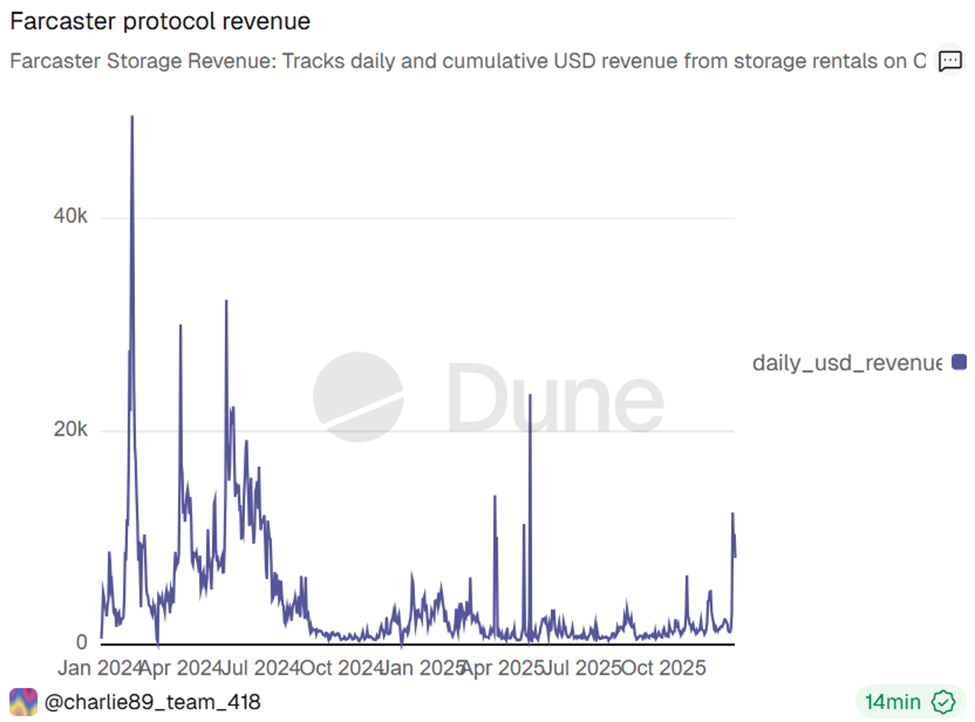
Announced on January 21, 2026, the deal’s valuation reportedly hovers near $1 billion, shrouded in secrecy. Meanwhile, daily active users (DAU) have plunged by 40%, and revenue has cratered by 85%.
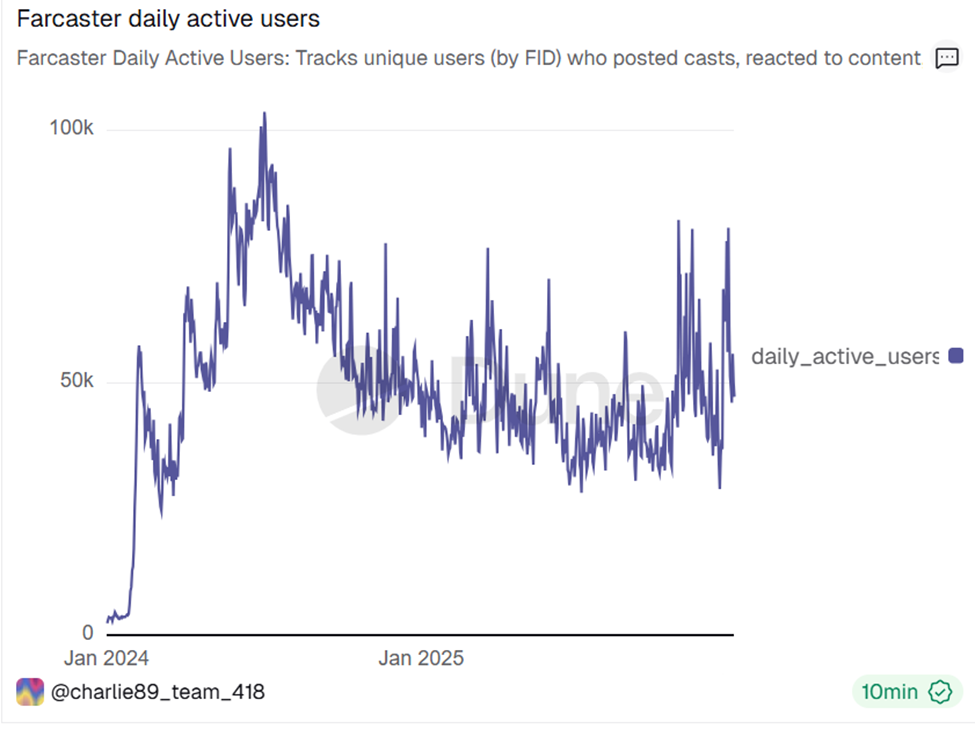
However, amid the whispers of failure, a more pressing question lingers: Is this the death of Web3 social ambitions, or a stealthy rebirth?
Farcaster’s saga began in 2021, when Romero, fresh off Coinbase’s IPO windfall, envisioned a social network free from platform risk.
Users would own their identities, apps would rise and fall on Ethereum (later shifting to Optimism), and the community would guide growth.
Partnering with Varun Srinivasan, Romero raised $30 million in a 2022 seed round led by a16z, launching Warpcast as the flagship client for a crypto-native crowd.
Growth was steady through 2023, boasting fewer bots than X (Twitter). By 2024, a $150 million Series A led by Paradigm catapulted Farcaster to a $1 billion valuation, fueling sky-high expectations.
Innovations like Frames (mini-apps that enable on-chain actions inside posts) sparked buzz and drew developers eager to experiment.
Then came 2025. Spam surged, Frames were abused, power badges ignited controversy, and channel confiscations alienated users.
Even the October acquisition of Clanker, a social trading protocol generating over $50 million in fees, couldn’t reverse the decline.
clank clank pic.twitter.com/kyhr6KrDjT
— Farcaster (@farcaster_xyz) October 23, 2025
Costs soared, engagement stalled, and reality collided with hype. As tech commentator Bayomi noted, Farcaster raised $180 million but generated just $2.8 million in revenue over five years before the sale.
Farcaster: raised $180m from VC, $2.8m rev in 5 years, sold to Neynar, founders left… pic.twitter.com/V6myV5zPK4
— Bayomi (@SemudaraAbayomi) January 22, 2026
Farcaster Isn’t Shutting Down: Founders Emphasize Protocol Survival and Investor Stewardship
Addressing rumors of a shutdown, Romero stated that Farcaster was not shutting down.
“The protocol works and will continue… with 250,000 MAU in December and over 100,000 funded wallets,” he indicated.
Neynar aims to pivot toward developers, while Merkle Manufactory returns the full $180 million to investors in a rare act of fiscal responsibility.
Romero, who purchased his house with Coinbase proceeds, emphasized stewardship over the course of five grueling years.
BREAKING: According to @farcaster_xyz co-founder @dwr, Paradigm and a16z backed social media platform Farcaster has been acquired by Neynar, after raising over $150M at a $1B valuation. pic.twitter.com/YPScFfOUzj
— BeInCrypto (@beincrypto) January 21, 2026
Praise, Criticism, and the Web3 Stakes: Crypto Divided Over Farcaster’s Future
Investors rallied behind the founders. Chris Dixon expressed gratitude for the “five-year partnership” and excitement for Neynar’s stewardship.
Kyle Samani proudly affirmed he would back Romero again “in a heartbeat.” Balaji Srinivasan hailed the team for building one of the best decentralized social protocols, prioritizing Internet freedom over easy gains.
As a Farcaster investor, can confirm: money is coming back to investors.
— Balaji (@balajis) January 22, 2026
Dan and the team built something genuinely amazing, perhaps the best decentralized social protocol. He's independently wealthy from Coinbase, and could have done whatever he wanted, but he decided to spend… https://t.co/ondjUSutKL
Yet criticism persists. Liron Shapira dismissed Farcaster as the “last gasp” of Dixon’s “Read/Write/Own” thesis, calling it “logically incoherent gaslighting.”
Farcaster was the last gasp for @cdixon’s whole Web3 “read/write/own” thesis.
— Liron Shapira (@liron) January 22, 2026
The man confabulated a link between blockchain technology and social networking — pure gaslighting.
The “analysis” in his bestselling book led to dead-end products because it was logically incoherent. https://t.co/gg1F0AWOon pic.twitter.com/ccTfNmFfWp
Hishboy declared the era over, insisting crypto is for “Internet Capital Markets. Period.” Tervelix criticized early missteps, like forcibly seizing the Bankless channel, and resented what they saw as a “bailout.”
Even builders voiced frustration: one developer relayed friends’ disillusionment with constant ecosystem churn, pleading for fair amplification, transparent processes, and technical improvements.
today i spoke with my friends who are actively building on farcaster. two of them feel negative and disappointed. one believes that a real "blood change" could bring fresh hype.
— ali.base.eth (@alitiknazoglu) January 22, 2026
i asked my friends two questions:
1. "if you stopped building here today, do you have a solid… pic.twitter.com/pu8Ak0nA3Y
Defenders fired back. User Chaskin argued it’s no scam as most startups fail, and lauded Romero’s relentless public grind.
Meanwhile, Foobar praised the “respectable wind-down,” highlighting the absence of token grifts or vaporware.
Robin condemned the “character assassination,” emphasizing Farcaster’s decentralization, user-friendly UX, and inspirational impact on crypto entrepreneurs.
Ethereum co-founder Vitalik Buterin framed the story in a broader context. In his 2026 pledge to decentralized social, he praised Farcaster alongside Lens, urging platforms to serve long-term user interests instead of speculative bubbles.
“We need mass communication tools that surface the best information and arguments… not corposlop,” he wrote, advocating competition through shared data layers.
So, what’s truly at stake? Farcaster’s fate tests Web3’s soul. Can it transcend infrastructure to rival mainstream networks? Or will Neynar’s developer-focused pivot unlock new potential quietly, away from the limelight?
As the founders vanish, the protocol endures, but crypto’s decentralized utopia teeters between mirage and revolution.
The post Farcaster’s Billion-Dollar Dreams Fade as Founders Vanish—Experts Weigh In on What’s Really at Stake appeared first on BeInCrypto.