
 coindesk.com
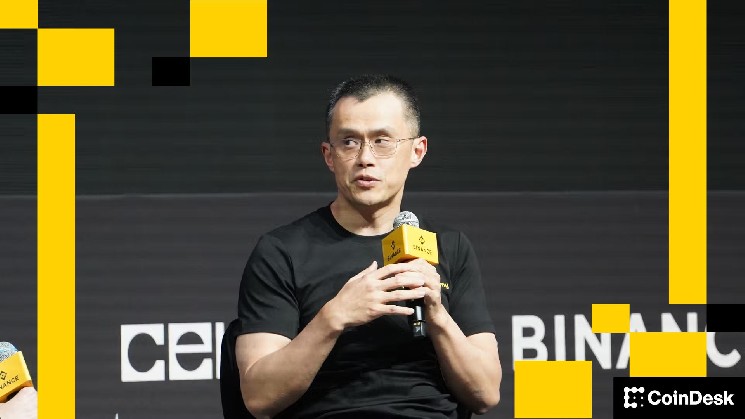
Binance co-founder and former CEO Changpeng Zhao told a panel at the World Economic Forum in Davos that he’s in talks with “probably a dozen governments” about tokenizing their assets.
Though he didn’t name specific countries or assets, the concept could allow governments to raise funds by offering small portions of state-owned assets to citizens or investors, similar to how some nations have sold stakes in national oil or telecom firms.
Tokenization involves turning real-world assets, like real estate, infrastructure or commodities, into blockchain-based tokens that can be traded and split into fractional ownership.
“This way the government can actually realize their financial gains first, and use that to develop these industries” Zhao said.
In the past, Zhao has said on social media he’s in talks with various governments. These have included Pakistan, Malaysia and Kyrgyzstan. The latter launched last year a stablecoin pegged to its national currency, the som, along with plans for a dollar-pegged stablecoin backed by $300 million in gold reserves.
Zhao also touched on the state of crypto payments, pointing to the convergence of traditional payment methods and cryptocurrencies.
On top of that, he said the native currency for artificial intelligence (AI) agents will be cryptocurrencies. When AI agents buy things on behalf of users, he said, those payments will be made using cryptocurrencies.