
 decrypt.co
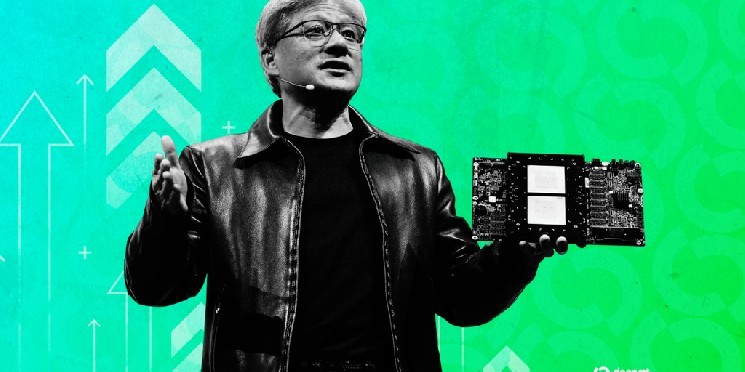
Jensen Huang wants you to know the AI industry isn't a bubble—despite looking like a bubble.
At the World Economic Forum in Davos this week, the Nvidia CEO told BlackRock's Larry Fink that the infrastructure powering artificial intelligence needs "trillions of dollars" more investment over the coming years. The alternative? Ultimate failure.
Huang framed AI as a "five-layer cake" that starts with energy at the bottom, then chips, cloud infrastructure, AI models, and finally applications at the top. Each layer, he explained, requires massive buildout before the ones above can properly function.
"We're now a few hundred billion dollars into it," Huang said. "There are trillions of dollars of infrastructure that needs to be built out."
The industry committed roughly $1.5 trillion to AI development in 2025 alone, according to Gartner—more than any group of companies has spent on virtually anything in nominal terms. Huang insists this isn't excess, however. It's the largest infrastructure buildout in human history, he said, and it's only beginning.
Just for reference, that spending is roughly the market capitalization of all the Bitcoin in the world. For a more normie comparison, thanks to the AI boom, Nvidia is now almost as valuable as all the silver that has been mined to date.
Feed the bubble, beat the bubble?
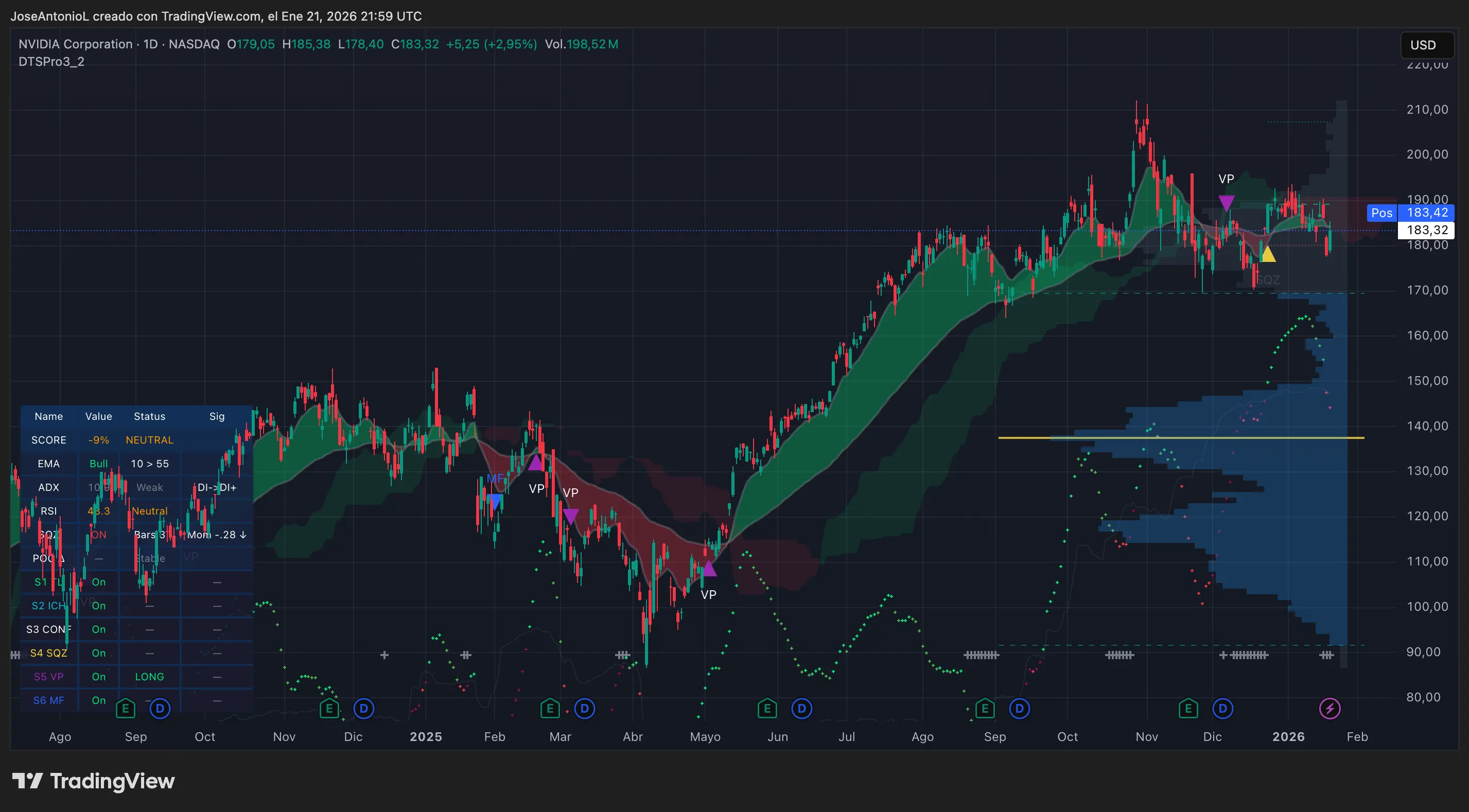
Huang’s words have a lot of interests behind them. In late January 2025, Chinese startup DeepSeek rattled markets with an unexpectedly capable chatbot, triggering a 17% single-day drop in Nvidia shares.
The company recovered, but the jolt intensified warnings from figures like JPMorgan's Jamie Dimon, who said AI is "real" but cautioned that "some money invested now will be wasted." A study from MIT found that despite $30-40 billion in enterprise investment, 95% of organizations are seeing zero return on generative AI.
The circular nature of AI financing has also drawn scrutiny. Nvidia recently committed $100 billion to OpenAI, which then uses that capital to buy Nvidia chips. Similar arrangements connect Microsoft, CoreWeave, and other major players in what critics call a closed loop that artificially inflates demand.
Companies are already hedging against Nvidia's dominance. OpenAI signed a $10 billion deal with Cerebras, an AI chip startup promising inference speeds up to 15 times faster than GPU-based systems. The company also inked partnerships with AMD and Broadcom, and committed $38 billion to Amazon Web Services.
Meanwhile, Google has been pushing its custom Tensor Processing Units as an alternative, with Anthropic agreeing to use up to one million TPU chips. Even Meta is reportedly exploring Google's silicon for its data centers.
Huang's message at Davos was unambiguous: The world needs more energy, more land, more chips, and more data centers to power the AI revolution. Fink seemed to agree, asking whether current spending is actually enough to broaden the global economy.
Huang's answer was essentially no. The opportunity, he said, is "really quite extraordinary." Whether that opportunity materializes or collapses under its own weight remains the million-dollar question—or rather, the trillion-dollar one.