
 coinfomania.com
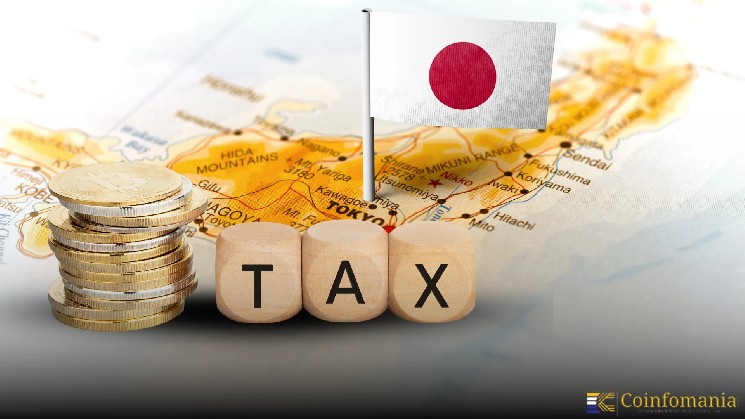
Japan’s proposal to cut crypto gains tax from as high as 55 percent to a flat 20 percent by fiscal 2026 is clearly more than a tax adjustment. It looks like a structural shift in how the country wants to treat digital assets. The current system lumps crypto into miscellaneous income and pushes top earners into the harshest bracket. That alone explains why traders have been leaving and why only 13 percent of residents hold crypto today. Of course, aligning crypto with equities makes it fairer and more predictable.
High Earners To Benefit From Lower Crypto Tax Rate
A flat 20 percent rate removes uncertainty and could free up liquidity. High earners stand to save up to 35 percent compared to today’s rates. That is not just about keeping money in pockets but also about keeping market activity in Japan. Obviously, fiscal 2026 as a rollout date signals the government wants time to refine the details, but the intention is clear: they want market clarity, not confusion.
Loss Carry Rules Put Crypto On Par With Stocks
The addition of loss carry rules is equally significant. Until now, investors had no way to offset crypto losses, which discouraged risk-taking in a volatile space. Allowing a three-year loss carry period puts crypto on equal footing with stocks. Clearly, this kind of adjustment lowers perceived risk and makes it easier for both individuals and institutions to plan their strategies.



