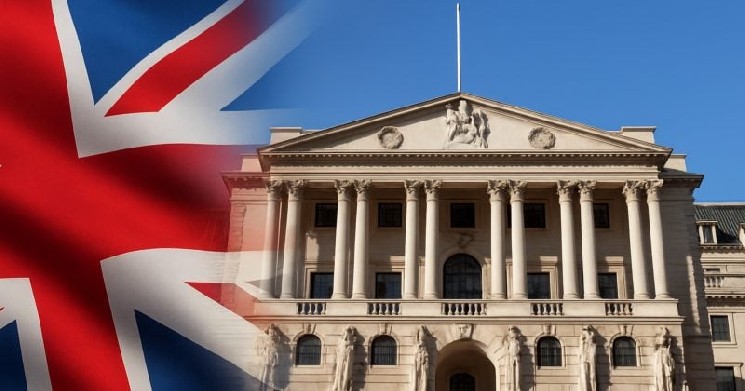
The BoE isn’t abandoning its CBDC plans entirely. The bank aims to remain prepared to launch a digital pound if necessary, but may scale back the effort if private firms continue to advance electronic payment technologies that offer comparable benefits.
At a Parliamentary hearing on Tuesday, Bank of England Governor Andrew Bailey expressed doubt over the necessity of a digital pound. He indicated that if ongoing collaboration with commercial banks proves successful, it would be difficult to justify introducing a new form of money.
“I think that’s a sensible place to do it,” Bailey told the Treasury Committee. “If that’s a success, I question why we need to introduce a new form of money.”
The central bank and government will make a final decision after completing the current design phase.
This marks a shift from previous years, when Bank of England and Treasury officials considered a digital pound “likely” to be needed.
The change comes amid waning global momentum for state-backed digital currencies.
In the US, the Trump administration has intensified efforts to block the Federal Reserve from issuing a digital dollar. During “Crypto Week,” the House passed the Anti-CBDC Surveillance Act, a bill aimed at halting progress on an American CBDC.
South Korea’s central bank has also halted its digital currency pilot program.
In contrast, the European Central Bank continues to pursue a digital euro.
Recent BoE research indicates diminished benefits from launching a CBDC. Senior officials, including Deputy Governor Sarah Breeden and Treasury’s director general for financial services Gwyneth Nurse, have reduced their involvement in the CBDC Engagement Forum, sending lower-ranking staff instead.
The project has faced various challenges, including privacy concerns and fears about potential destabilizing effects if investors rush to state-backed digital currencies during crises.
Bailey has shown support for a wholesale CBDC for financial institutions while remaining skeptical about a retail version. He has, however, expressed concerns about foreign stablecoins potentially gaining popularity in the UK and undermining trust in traditional currencies.

 cryptobriefing.com