She stated:
We believe cryptocurrencies can be a convenient alternative instrument and at the moment, we together with the Bank of Russia and all the stakeholders are considering the opportunity of using cryptocurrency tools for payments in grain trading.
The Russian Agricultural Bank has been the subject of European Union (EU) and U.S. sanctions since 2022. These included the exclusion of the bank from the SWIFT international payment network, a freeze on all its assets in the EU, and a ban on obtaining financial services from European institutions. Lifting of all these sanctions was one of the requirements of the Russian government to finalize a proposed Black Sea deal, which would allow Ukrainian grain safe passage across joint territories.
Sanctions have even reached vessels carrying Russian grain to other markets, with over 79 ships banned from entering European ports and receiving services, per the central bank’s statements.
The agricultural bank might be preparing for an intensification of these measures, positioning crypto as a reliable source of liquidity for grain purchases.
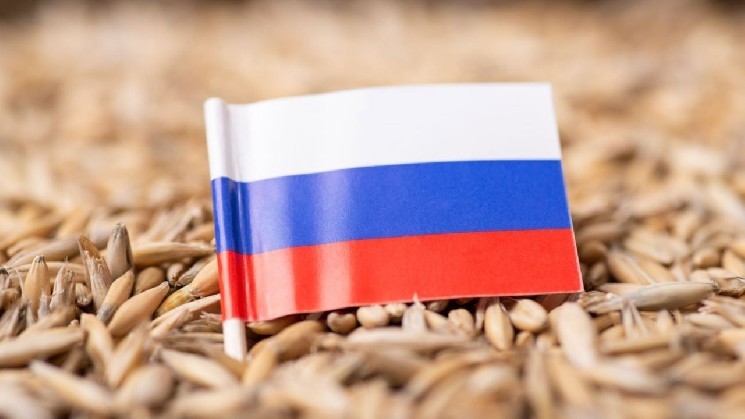
The move would potentially open the agricultural commodities market for crypto, establishing Russia as a counterparty for digital assets settlements for the next harvest, which is expected to reach 49.5 million tonnes of grain in exports. 42 million tonnes of wheat are also included in this forecast, as Russia is the number one producer of this grain.
Read more: EU Spokesperson: Russian Banks Will Not Be Reconnected to SWIFT Anytime Soon

 news.bitcoin.com