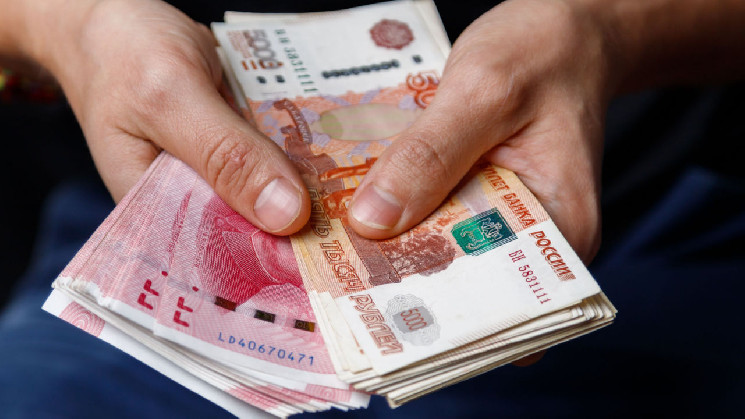
The bank guarantee was agreed on by the three stakeholders: the principal, the guarantor bank, and the beneficiary. The touted advantage of using a digital document, which ostensibly cannot be forged or lost, is that the beneficiary doesn’t need to wait for the paper version or request a confirmation from the bank about the authenticity of the guarantee.
“This is the first digital bank guarantee in the market, which was issued in yuan, through the Masterchain system. Most foreign trade contracts are serviced in Chinese currency, and the demand for payments in yuan is only growing,” commented Natalya Bahova, director of MKB’s International and Structured Finance Department.
The executive added this is a “logical step” and that it’s likely to see more such examples in the future. “The decision will be especially relevant for large groups of companies which have many subsidiaries that accept bank guarantees in large quantities and on a regular basis,” Bahova elaborated.
Russian companies spend around 900 million rubles annually (almost $12 million) to verify the authenticity of bank guarantees, the report noted. And even then, about 0.5% of them eventually turn out to be fake. Related risks have been estimated at 75 billion rubles.
Amid sanctions imposed by the West over its invasion of Ukraine, Russia has been considering ways to reduce its dependence on the U.S. dollar and the traditional financial system, including the use of other fiat currencies, blockchain technologies, and crypto payments to circumvent the restrictions.
A law “On Digital Financial Assets” went into force in January, 2021, and over the past year officials in Moscow have been working to expand the regulatory framework to cover decentralized cryptocurrencies like bitcoin and the like.
In early December, a company licensed by the Bank of Russia announced the country’s first authorized digital asset transaction involving a foreign currency, China’s yuan. The two countries have also been developing digital versions of their fiat currencies.
Do you think there will be more use cases involving crypto technologies and alternative currencies in Russia? Share your thoughts on the subject in the comments section below.

 news.bitcoin.com