
 cryptoknowmics.com

The field of computer science is growing rapidly, and many major universities are beginning to offer classes on cryptography. Students are the future of the crypto world, so why not include them in the school curriculum? Students learn about math, science, and history to prepare them for the real world and all of its responsibilities in educational institutions. But are these students getting the tools they need to succeed? They may not be if they aren’t learning about cryptocurrency and blockchain as part of their curriculum. It may seem strange to teach students about money in educational institutions; they will soon learn that on their own once they get a job! However, teaching students about money now will allow them to make the right decisions later when they have real money. That’s why schools should adopt and teach cryptocurrency. 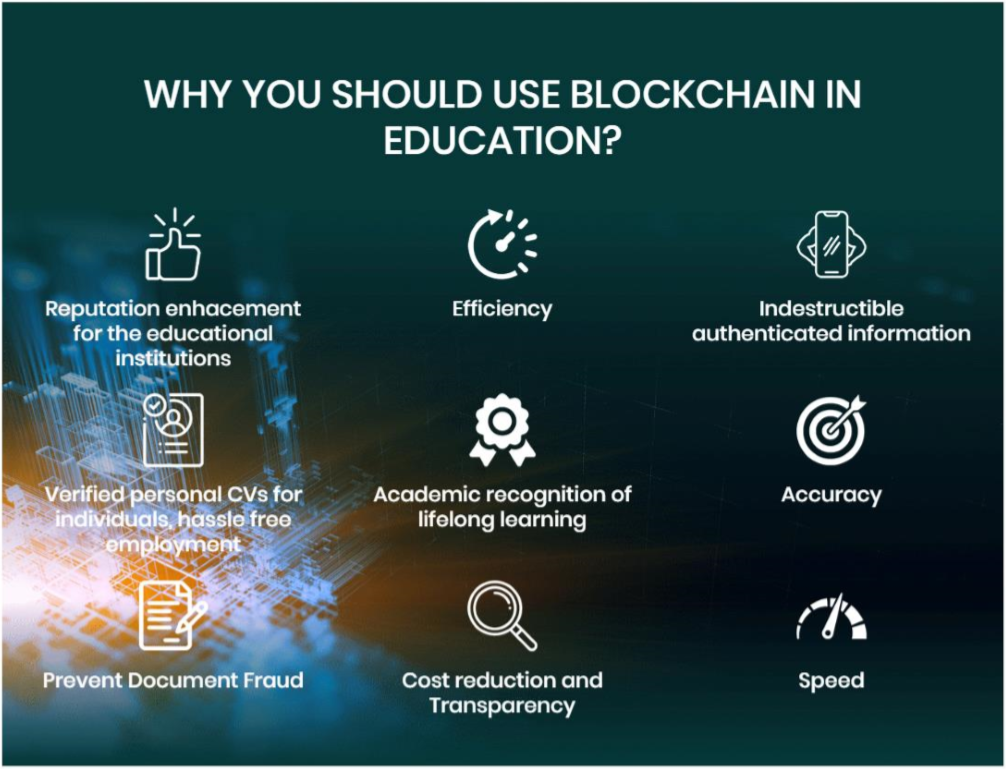
Education And Blockchain Technology
Educating students about blockchain technology offers many benefits. For example, institutions can use blockchain to secure digital syllabi, as they currently rely on hard drives and worry about losing. Furthermore, blockchain can protect these documents, as every user on the network has a copy of them. Furthermore, blockchains can improve educational processes by allowing students to receive cryptocurrency rewards for learning. Blockchain technology can provide widespread access to open educational resources (OER), which are teaching materials in the public domain, free to share and use. With blockchain technology, schools can share such resources across networks for free. This can greatly improve educational processes and increase trust, security, and privacy. Therefore, educational institutions should use it in educational settings as part of a blended learning experience. In addition to helping educational institutions, blockchain technology can also help verify educational qualifications. Many countries find it difficult to certify their institutions, so blockchain could make it much easier. It could also help verify applicants' skills. For example, smart contracts can allow instructors to create examination papers and include an answer key. Consequently, students can take digital exams, and the smart contracts will grade their responses. Schools will most likely start exploring blockchain technology for educational purposes in the future.
Educating Students About Cryptocurrencies
One of the most obvious benefits is that the field of cryptocurrency is still fairly new and growing. Furthermore, it will only continue to expand with the kids of today. Blockchain technology, for example, is a new field that is just scratching the surface. But as the technology continues to grow and mainstream markets adopt it, the field of cryptocurrency will become more important than ever. Therefore, educating students about cryptocurrencies gives them an advantage over their peers and will encourage them to be leaders of this technological movement. Bitcoin, or "BTC," has become the latest craze on Wall Street. The bitcoin price is constantly in the news, and the currency has exploded in value. While prices have been stabilizing since their peak, you can teach students about their value and how they can make money with them.
Educating Students About Blockchain As A Career Option
If you are an education professional and are looking for a new career, consider teaching a course in cryptocurrencies. This technology transforms the way people buy, sell, and trade goods. In contrast to credit cards that we use to make online purchases, cryptocurrency is based on blockchain technology. Therefore, it might be a good idea to teach students about blockchain as a career option because blockchain technology may give them an added advantage in the future. Elementary school students are ready for more complex thinking, and they are gaining the education necessary to understand complex concepts. While it is important to teach students about crypto and blockchain, it's also vital to provide hands-on experience. Introducing students to the basics will encourage them to study the field further. For elementary school students, try to incorporate a video that teaches about cryptocurrencies and blockchain basics. To help students visualize the field, start with an infographic on the job market. Then, have them read articles from reputable sources to keep up with current developments in the field. This will give students a leg-up over their competitors.