
 coinedition.com
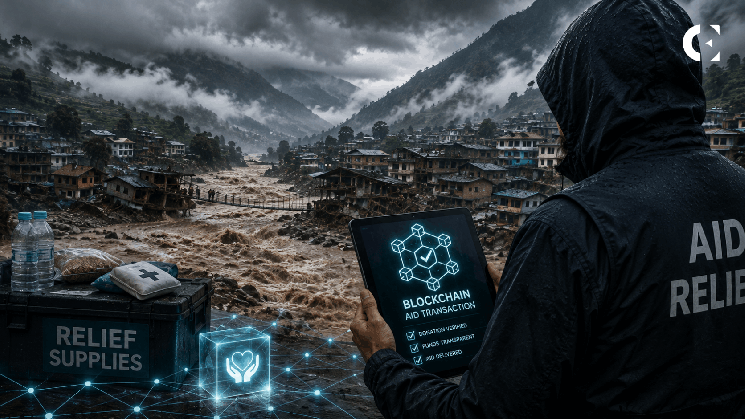
The floods in Nepal have caused immense damage, wiping out roads, bridges, homes, and key facilities, thus creating a pressing need for aid that’s fast and easy to track.
The IFRC (International Federation of Red Cross and Red Crescent Societies) says about 93,000 people may have been affected and has put out an emergency appeal for 25 million Swiss francs.
Additionally, UNICEF says at least 17,000 children urgently need humanitarian aid. The organization has issued an appeal for $17.2 million to support its emergency response and early recovery work.
The disaster exposes the hardest problem in aid, which is getting money where it is needed. This is especially true in Nepal’s case, due to the country’s mountainous location, where the flood damage has made several bridges and main roads unusable, making it extremely hard to reach some communities.
As such, the problem isn’t just about raising money. In a situation like this, it’s important to get the funds where they are needed fast, reach cut-off areas, track where the money goes, cut through red tape, and make sure aid ends up in the right hands.
This is the kind of situation where digital money, stablecoins, and blockchain tracking could make a considerable difference.
Nepal Has Already Experimented With Blockchain Technology
The interesting thing is that even before the disaster, UNICEF’s Venture Fund highlighted Rahat, a blockchain aid platform built in Nepal, as a tool designed to make humanitarian support more transparent and easier to track.
One striking figure from UNICEF’s Rahat material is that 80% of Nepal’s population faces climate hazards, and around 2 million people are hit by floods every year.
Before the most recent flash flood, the Rahat system used digital tokens, QR codes, and text messages to deliver cash to vulnerable families, and blockchain made it easier to track where the money went.
UNICEF’s review noted that the system worked in real time and that the platform was applicable in remote and hard-to-reach areas.
Even outside of Nepal, cryptocurrencies were shown to be useful in humanitarian aid. For instance, during the COVID-19 Crypto Relief initiative in India, public crypto wallets were used to collect donations globally.
These donations later went into research, rural health programs, and healthcare infrastructure, although there were certain downsides. Namely, things like compliance, cashing out, banking connections, bookkeeping, and moving money into the regular economy slowed things down.
Still, the situation showed that blockchain might make it easier to move and track money, but it can’t replace roads, telecommunications networks, or the local aid workers on the ground.
Transparent Aid Tracking
One of the most notable elements of blockchain-based humanitarian aid could be the ability to create a clear and traceable record, from donation to aid group, then to local distributor, and finally to the people who actually need and get the help.
A blockchain ledger may make it easier to audit parts of that chain.
UNICEF points out that traditional cash aid systems can be expensive and hard to track. Also, they’re reliant on intermediaries, which is why UNICEF has backed trials of blockchain-based cash transfers.
However, it’s worth noting that this doesn’t mean blockchain inherently prevents fraud or corruption, as incorrect data recorded on the chain remains incorrect. Though not exactly crypto-related, Nepal authorities have already warned about scams targeting the flood relief funds via unauthorized QR codes.
That being said, blockchain could still create a more transparent record that’s easier to audit once funds enter the system.
So, seeing as Nepal already has homegrown blockchain infrastructure and is facing a huge humanitarian disaster, the crisis might demonstrate just how much blockchain technology genuinely helps disaster relief.
Related: India’s Crypto Law Delayed Again: What the Latest VDA Hearing Cancellation Means for Investors