
 coindesk.com
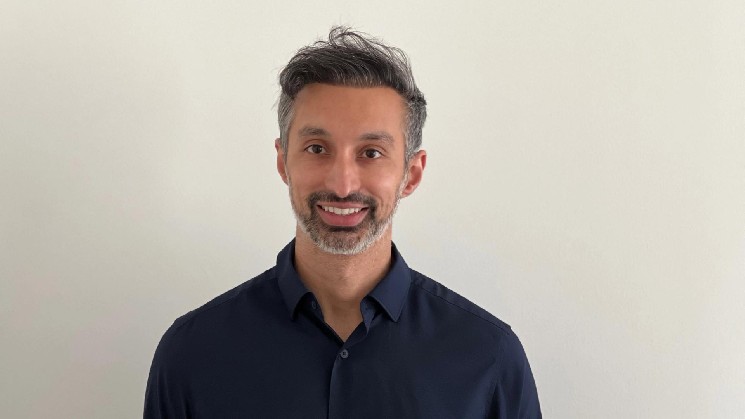
A resurgence in private, gated blockchains that differ fundamentally from open, public networks like Ethereum and Solana by creating silos that don't talk to each other eats away at the potential the technology was designed to achieve, according to Vivek Raman, the co-founder and CEO of Etherealize.
Etherealize acts to attract traditional finance (TradFi) firms to Etheruem. The 10-year-old blockchain is a base layer for billions of dollars in tokenized assets and the settlement layer underpinning much of decentralized finance (DeFi). Now the story is about attracting institutions such as BlackRock (BLK) to the permissionless ecosystem where all transactions are visible to everyone.
Ethereum stands in contrast to the permissioned systems that are becoming increasingly popular again, as evidenced by the rise of Digital Asset’s Canton Network, Circle’s stablecoin payments play ARC and Stripe’s vertically integrated Tempo blockchain. These systems, which Raman calls "consortium chains," tout their inherent privacy and reduced counterparty risk — attributes that mainstream finance finds attractive.
Similar systems, however, have been around the blockchain space for years in one form or another. Early adopters may recall the reams of banks that joined R3’s consortium effort back in 2016, for example, or the many enterprise players that flocked to the Linux-affiliated Hyperledger ecosystem. R3 didn't make it to the end of the year before the big banks like Goldman Sachs, Morgan Stanley and Santander withdrew from the system.
“It's like we're having consortium chain 2.0,” said Raman in an interview. “This is going to end up being a race to the bottom for consortium chains. You're going to have consortium chains versus consortium chains.”
Raman likened Ethereum’s mainnet to Hypertext Transfer Protocol, or HTTP, the base layer of the internet itself. A more secure, permissioned, privacy-enabled layer, HTTPS, sits on top. An open base layer is necessary, Raman said, because that's the only way you can have maximum interoperability and maximum liquidity in one place, he said.
“We strongly believe, and always have done, that you need a global, open, permissionless infrastructure as the base layer,” Raman said. “Then you can build all the permissioning on top of it. Whether that's at the app layer, whether that's the L2 layer, that's where you should have the customizability.”



