
 cryptobriefing.com
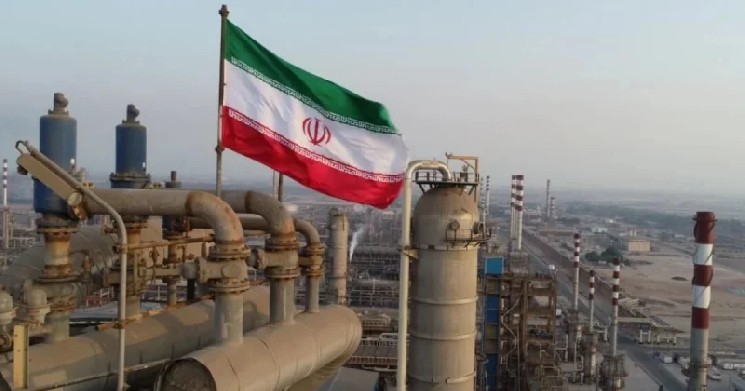
The US Treasury Department sanctioned 13 vessels and 8 entities on May 7, facilitating what officials describe as a sprawling network shipping Iranian oil to China. The targets include companies tied to the Islamic Revolutionary Guard Corps, Iran’s most powerful military and economic institution.
The oil pipeline and its digital shadow
Iran’s oil exports to China reached roughly 1.2 million barrels per day during Q1 2026. That volume generated an estimated $35 billion in revenue over the prior year, money that largely flowed through channels designed to dodge international restrictions.
Those channels include so-called “ghost fleets,” vessels that obscure their ownership and cargo through layers of shell companies and flag-swapping. Crypto experts have warned that tightening traditional financial enforcement pushes sanctioned actors toward stablecoins, particularly Tether’s USDT.
Tether’s market capitalization has surpassed $100 billion. Since 2019, Iran has reportedly mined over 10,000 Bitcoin as part of a deliberate strategy to fund imports without touching dollar-denominated banking networks. More recently, reports indicate partnerships between Iranian and Chinese firms exploring decentralized finance platforms for oil trade settlements.
Market reaction: Bitcoin dips, questions mount
Bitcoin’s price fell roughly 2% on May 8, the day after the sanctions announcement.
What this means for crypto investors
The flip side is that sanctions enforcement historically accelerates institutional interest in blockchain analytics and compliance tools. Companies like Chainalysis and Elliptic have built entire businesses on the premise that blockchain transactions are traceable, and every new sanctions package reinforces demand for their services.