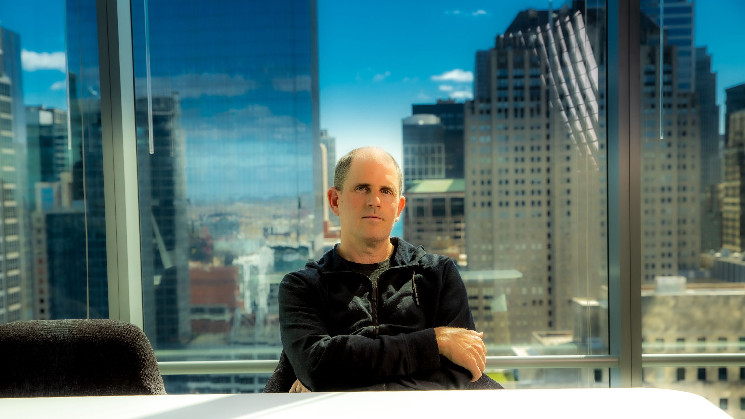
“The problem is not the technology itself, but how it is implemented," Wilson said. "I think that it’s a mistake to put stuff on these chains that have complete transparency.”
DRW was founded in 1992 and introduced Cumberland in 2014, one of the first institutional crypto trading desks, just as bitcoin BTC$68,988.27 markets began to take shape. That early entry gave the firm a front-row seat to how digital assets evolved from niche markets into infrastructure that banks now study.
Wilson’s current focus reflects that shift. He pointed to efforts to bring traditional assets onchain, and warned against doing so on fully transparent networks.
Ethereum has long been pitched as the blockchain most likely to plug into Wall Street, with developers highlighting its large decentralized finance (DeFi) ecosystem and role in early tokenization efforts.
But, like Bitcoin, all transactions are visible, and large banks have taken a different path. Many have spent years building or backing private, permissioned networks, arguing that financial institutions need tighter control over data, access and compliance. Firms like JPMorgan, the largest U.S. bank by assets, have developed in-house systems, while others have supported platforms designed to limit who can see and validate transactions.
Wilson argued for systems that limit visibility. “Privacy is kind of at the top of the list,” he said, describing the features needed for institutional adoption. He also cited market structure issues like front-running. “That ability for people to reorder transactions … that’s just not suitable for financial markets.”
His comments come as tokenization gains traction across the industry. Banks and asset managers are testing ways to move stocks, bonds and other assets onto blockchain-based systems. Wilson agrees the opportunity is large, especially for major asset classes. But he expects the design to look different from today’s public chains.
“I think it’s obvious that that will not happen,” he said, referring to the idea that institutions will adopt fully transparent systems. “Everybody thinks I’m crazy … so I don’t know. Maybe I’m wrong. We’ll see.”

 coindesk.com