“We’re putting into practice the model we’ve long believed in: open, programmable infrastructure that supports institutional-grade financial products,” Jason Urban, the global head of trading at Galaxy, said.
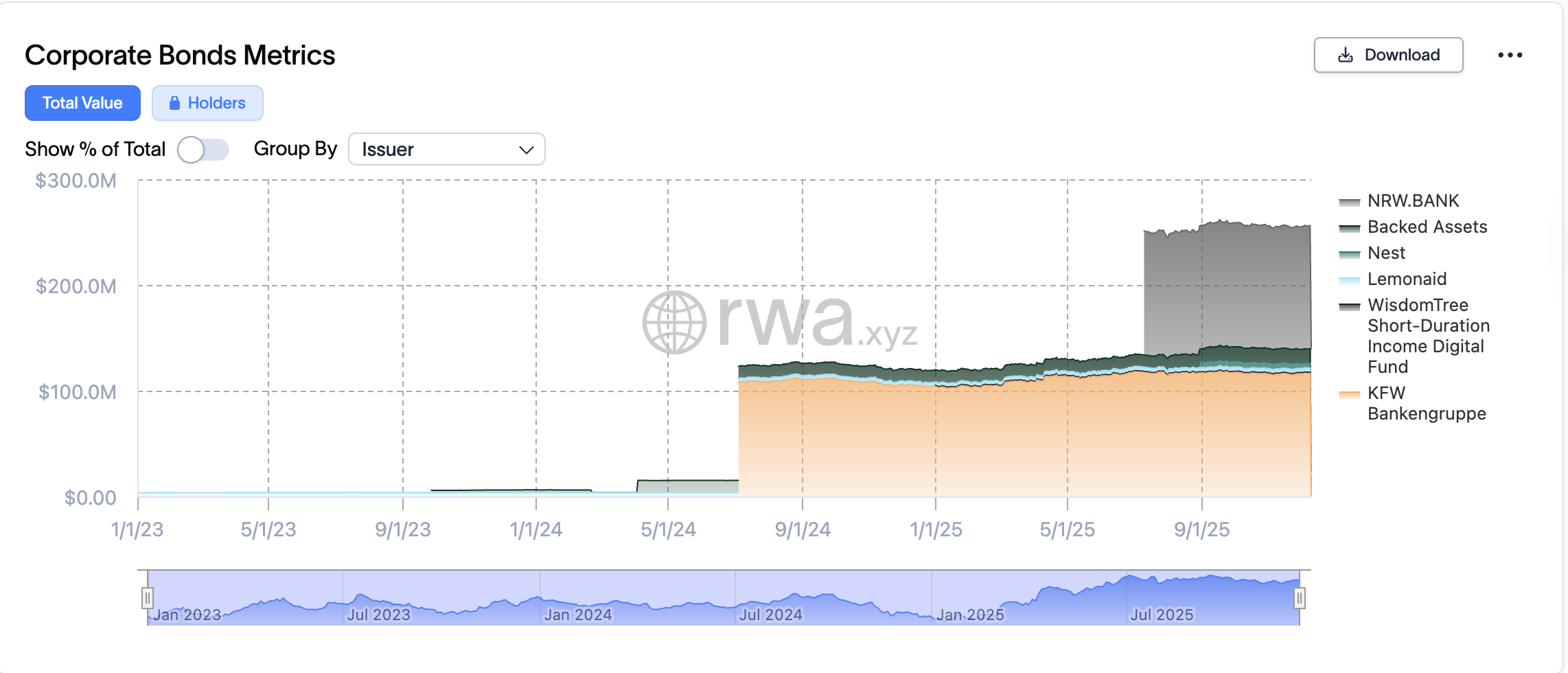
The tokenized commercial bond market is still in its infancy, but continues to grow. Source: RWA.XYZ
Tokenizing commercial, sovereign and municipal bonds can lower costs and settlement times by removing financial intermediaries from the issuance and clearing process. Analysts forecast that the sector could grow to a $300 billion market capitalization by 2030.
Related: State Street, Galaxy and Ondo join tokenized cash race with 24/7 sweep fund
Mainland China, Hong Kong tokenize bonds
Hong Kong’s Monetary Authority (HKMA) has prioritized the tokenization of financial assets, announcing a five-year plan to bring bonds and physical assets onchain by 2030.
Bringing real-world assets onchain makes cross-border settlement more efficient and positions Hong Kong for the integration of artificial intelligence into the financial system, according to the HKMA.
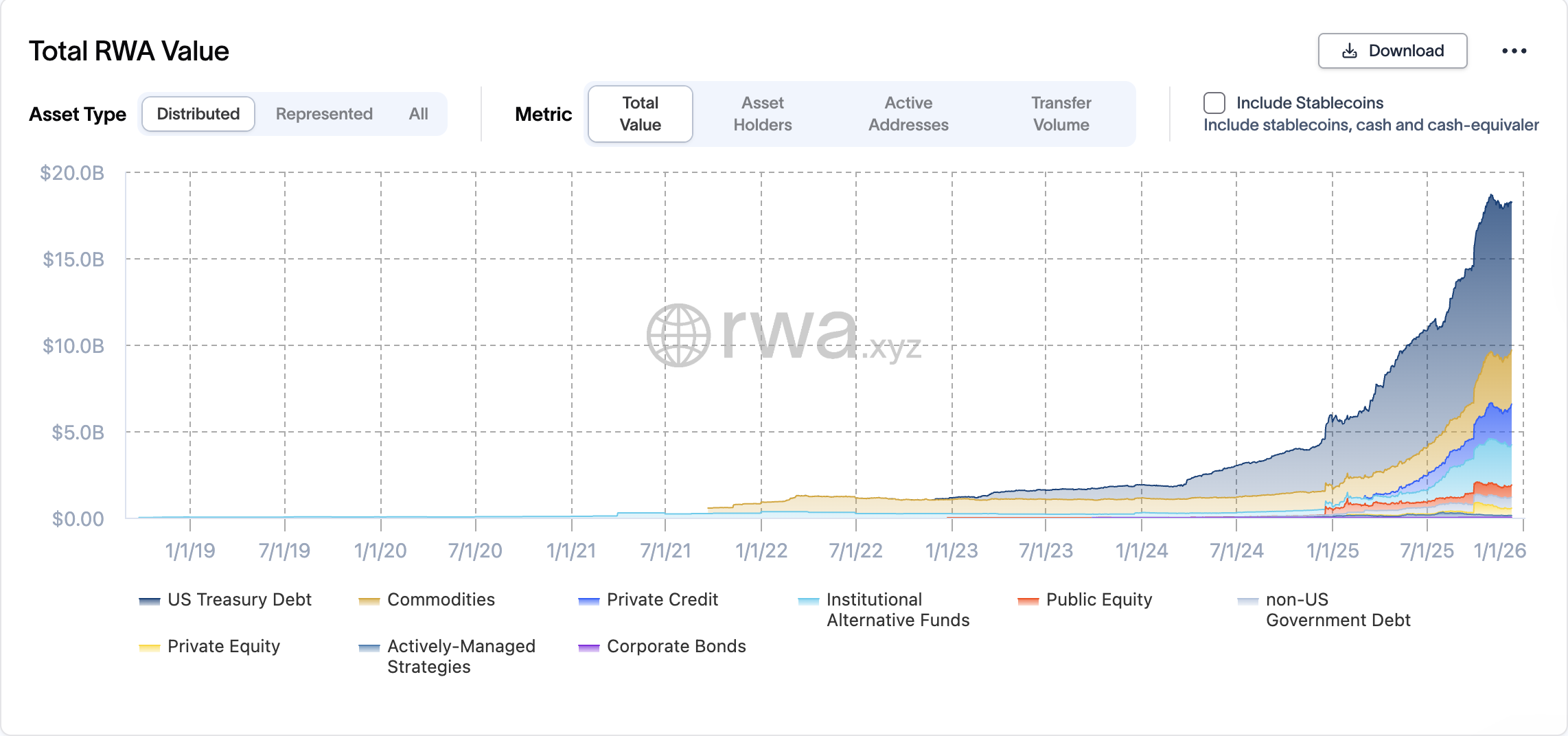
The total real-world tokenized asset (RWA) market capitalization is over $18.4 billion at the time of this writing. Source: RWA.XYZ
In November, Hua Xia Bank, a publicly traded financial services company with ties to China’s central government, issued 4.5 billion in tokenized yuan bonds, equivalent to $600 million.
The bond tranche was issued by Hua Xia Financial Leasing, featured a 1.84% yield, and is settled exclusively in the digital yuan.
The digital yuan, also known as the digital renminbi, is a central bank digital currency (CBDC) issued by China’s government, which began developing it in 2014.
Magazine: 11 critical moments in Ethereum’s history that made it the No.2 blockchain

 cointelegraph.com