Financial Rebellion to Real Life Integration
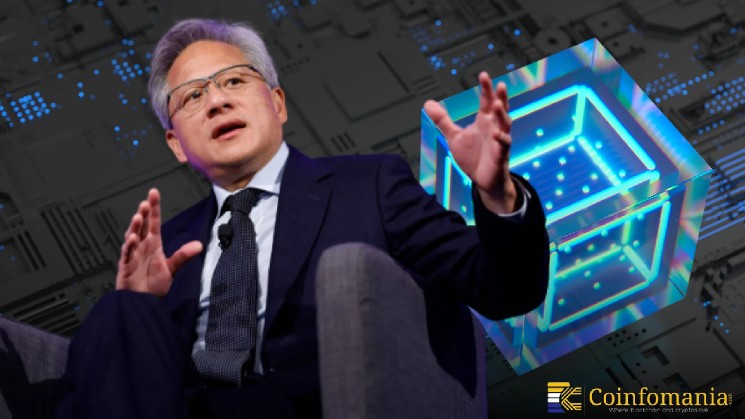
During the first 10 years of blockchain (2009 to 2019), its main driving force was the wish to challenge traditional finance. Cryptocurrencies such as Bitcoin and Ethereum became a tool of freedom and decentralization. But the landscape has changed. After the speculative bubble burst the market began to look for real, lasting value. Huang says today’s “kernel” is combining the efficiency benefits of blockchain – instant transactions, global reach and low cost – with the stability of the real world.
Huang calls attention to how blockchain can change industries and make systems faster, cheaper and more transparent. Supply chains management and trade financing, sustainable energy systems – this is just the beginning of applications. Experts also point out that the potential of blockchain to ensure trust without intermediaries has potential to redefine banking, payments and even governance. In 2025, the emphasis is on integration of decentralized efficiency and regulatory trust – a balance needed for mainstream adoption.
Industry Ready for Expansion
The article, with the help of Wu Blockchain’s huge Chinese audience, marks a maturing stage in the evolution of blockchain. No longer concerned with speculative trading, the technology is entering an era of utility driven growth. By connecting digital innovation with physical stability, blockchain has the potential to open up new markets and build a sustainable global infrastructure. As Huang concludes, the future is for those who understand the “inner kernel” of blockchain – the fundamental human need for trust, efficiency and transparency.

 coinfomania.com