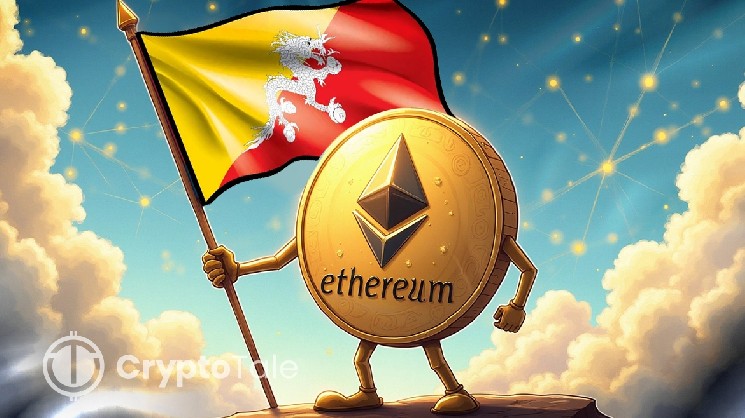
According to Prime Minister Tobgay, the transition ensures Bhutan’s important systems are resilient and interoperable while connecting citizens to global markets. He stated that the new architecture allows for a user-owned identity framework that supports His Majesty’s vision of a digitally empowered society.
The integration enables the NDI to issue verifiable credentials, support digital signatures, and verify documents natively on Ethereum. This reduces reliance on centralized databases, which are prone to hacking and manipulation.
Ethereum Leaders Praise Bhutan’s Milestone
Aya Miyaguchi described the development as a historic step in both national and global digital governance. She noted that the integration, taking place during Ethereum’s tenth year, shows how blockchain has moved from concept to real-world impact. Miyaguchi confirmed that the system is already operational, with all credentials scheduled to migrate by the first quarter of 2026.
Vitalik Buterin noted the significance of decentralized identity as a foundational element of the future internet. He said Bhutan’s adoption of Ethereum’s open architecture demonstrated how blockchain could be applied to create meaningful systems that prioritize citizens.
Related: Bhutan Adopts BNB Digital Payments for Daily Transactions
Expanding Blockchain Uses in Governance
Bhutan’s move to Ethereum isn’t just about digital IDs. In 2025, the country held a hackathon in Paro with help from the Ethereum Foundation, where over 70 developers created new blockchain tools. These included systems for checking land records, tracking local products, and collecting citizen feedback through the ID network.
Bhutan’s NiaoDai Interchain also teamed up with the identity protocol iDen2 to build Phenix, a flexible digital identity system meant for global use. This initiative aims to replicate Bhutan’s approach in other nations by combining on-the-ground deployment with open-source infrastructure.
Bhutan has become one of the biggest BTC holders, with over 11,000 coins mined using clean hydropower. This makes it the fifth-largest nation holding Bitcoin. Besides this, Bhutan is using blockchain in many areas like tourism, finance, and government services, even allowing tourists to make crypto payments.
Bhutan’s move highlights how blockchain is becoming part of national systems and digital independence. By linking its ID system to Ethereum, Bhutan is setting an example of using open and secure technology for its people. The full shift is expected by 2026, showing how countries are starting to use decentralized systems in real governance.
Disclaimer: The information provided by CryptoTale is for educational and informational purposes only and should not be considered financial advice. Always conduct your own research and consult with a professional before making any investment decisions. CryptoTale is not liable for any financial losses resulting from the use of the content.

 cryptotale.org