By onboarding students on-chain, Space and Time is hoping its database platform could help students overcome “intermediaries or traditional financial infrastructure” and “come out the other side with a traceable, verifiable record of what they’ve accomplished,” Dykstra said.
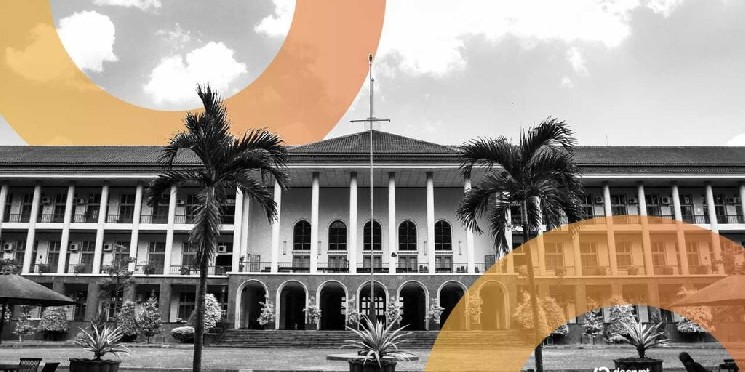
UGM‘s rollout for its estimated 60,000 students begins with English proficiency courses as the initial use case for on-chain credentialing, with planned expansions to other courses. The university also announced a new on-campus AI lab using Dreamspace, a tool built on Space and Time, which will provide courses on building and deploying AI applications.
The initiative was introduced following a partnership between Indomobil Group, one of Indonesia’s largest automotive conglomerates, and the Space and Time Foundation, which now oversees the decentralized database network originally developed by MakeInfinite Labs.
Space and Time’s custom chain pulls data from multiple blockchains and distributes it across a validator network, where each query is backed by cryptographic proofs, allowing applications to verify results without relying on a single data source.
Verifiable education
Speaking with Decrypt on Tuesday during the week leading to TOKEN2049 Singapore, a representative for the Space and Time Foundation explained the education program’s components.
The first centers on verifiable education. By placing course completions and diplomas on-chain, students avoid fragmented records across institutions and instead create a single, immutable record that employers or universities beyond the local can confirm.
The second component involves financial access through SXT, the native digital asset of Space and Time. Each student will receive a wallet preloaded with tokens to pay tuition and course fees directly, in a system the company says is designed to reach those without traditional bank accounts. Space and Time confirmed with Decrypt there will be no costs to students.
Still, some scholars caution that the promise of blockchain-based use cases in education comes with risks.
A 2025 ASEAN report on higher education mobility noted that digital credentials can support cross-border recognition of qualifications, but warned that gaps in digital readiness could worsen inequities for students and institutions with fewer resources.

 decrypt.co