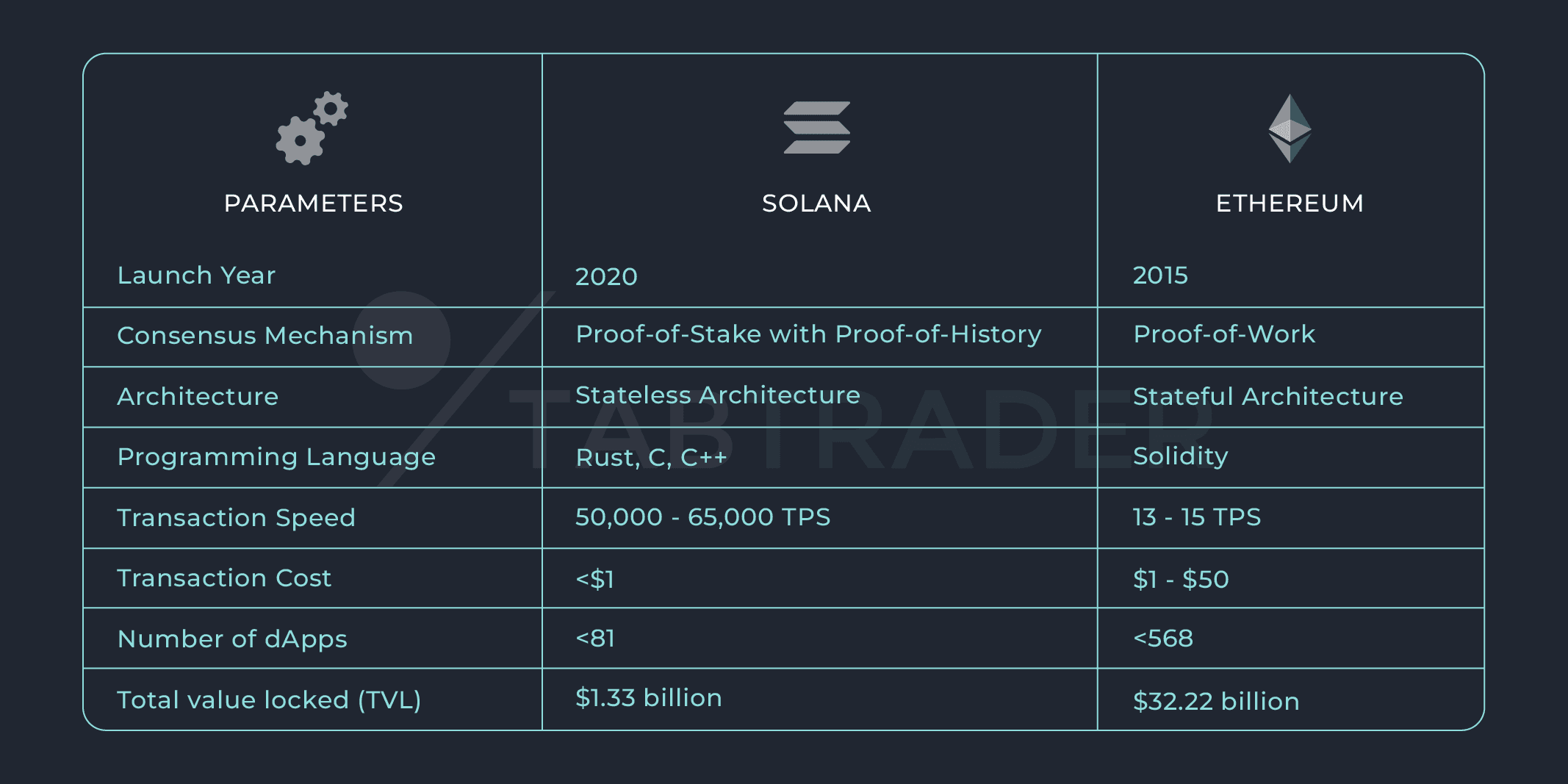
Ethereum or Solana? Weighing Open Reach vs. Privacy
Using a public blockchain system provides multiple benefits which include extensive accessibility and transparent infrastructure and expedited deployment through established systems.
The Ethereum network provides developers with extensive smart contract functionality and broad developer backing together with Solana's capability for fast operations at low costs.
The requirement for public models to maintain privacy standards creates internal disagreement about the possibility of public and private models working together.
Piero Cipollone as an ECB board member expressed vital worries that unrestricted U.S. stablecoin dominance threatened European monetary independence while prompting euro-denominated deposits to relocate abroad.
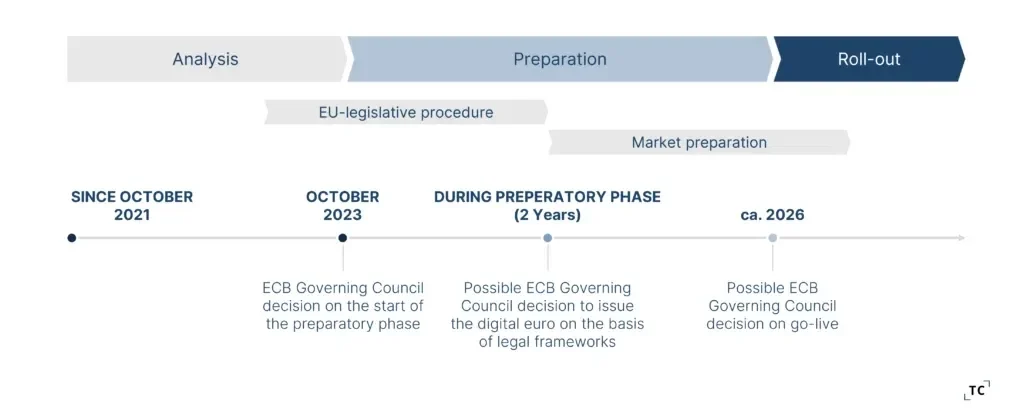
The decision-making process for this approach continues without a conclusion but such an approach might establish Europe as a distinct financial entity by changing central bank money distribution methods.
The choice surpasses technical aspects because it makes a geopolitical declaration. The implementation of a digital euro on Ethereum or Solana platforms would create transparent financial systems and promote European leadership in worldwide financial markets while making transactions more inclusive. The challenge exists to achieve privacy while maintaining regulatory compliance and financial stability through decentralization processes.
A crucial decision awaits to be made. Europe will choose between blockchain innovation to save its financial future or maintaining a cautious approach. Such a decision will either create new standards for worldwide CBDC frameworks or not.
How Stablecoins and Central Bank Digital Currencies Are Transforming Money
The digital euro debate functions within a worldwide movement of financial institutions and central banks developing digital currencies to establish modern payment systems while fighting private stablecoin dominance. The EU began fast-tracking its digital euro development after the U.S. passed its new stablecoin regulation in 2023.
The pilot implementation of China's digital yuan in major cities shows how CBDCs can improve financial inclusion through better cross-border transaction capabilities.
The EU's decision to use Ethereum and Solana platforms allows it to merge public blockchain transparency with central bank oversight which results in a model that balances innovation with accessibility and sovereignty.
This development will influence major economies to design their CBDCs in similar ways thus positioning Europe as a leader in regulated blockchain finance and setting digital currency adoption standards globally.

 coinpaper.com