The move comes as traditional finance heavyweights and global banks are getting increasingly involved in tokenization of financial instruments, or real-world assets (RWA), placing bonds, funds and credit on blockchain rails. The process promises operational benefits such as increased efficiency, faster and around-the-clock settlements and lower administrative costs.
The tokenized asset market could grow could balloon in the next few years, though projections vary from McKinsey's $2 trillion by 2030 to Ripple and BCG's almost $19 trillion by 2033.
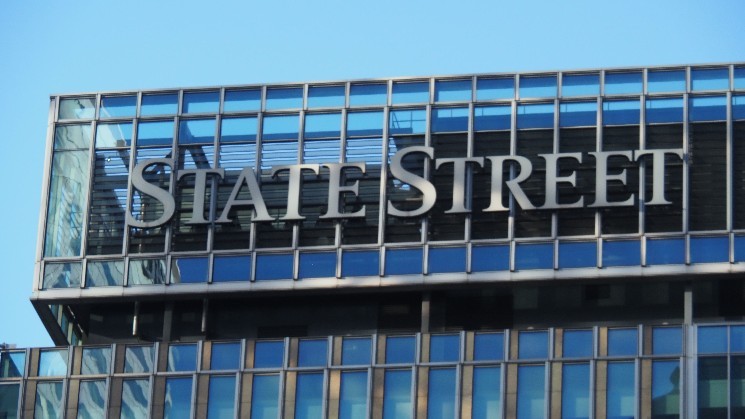
By joining JPMorgan's blockchain platform, State Street can now offer clients custody of tokenized debt securities without changing its traditional servicing model.
In this particular case, State Street manages client holdings in a digital wallet directly connected to JPMorgan’s system, eliminating manual steps in settlement and recordkeeping. The infrastructure supports delivery-versus-payment settlement, with the option for same-day (T+0) settlement, and automates corporate actions such as interest payments and redemptions through smart contracts.
"This launch reflects a meaningful step forward in our digital strategy — where we manage a digital wallet on-chain and lay the groundwork for interoperability across blockchain networks," Donna Milrod, State Street's chief product officer, said in a statement.
The bank pursued initiatives to tokenize a bond and a money market fund, Milrod said in October. The firm also selected Switzerland-based Taurus as a tokenization partner.
Read more: DBS Launches Tokenized Structured Notes on Ethereum, Expanding Investor Access

 coindesk.com