
 crypto-news-flash.com
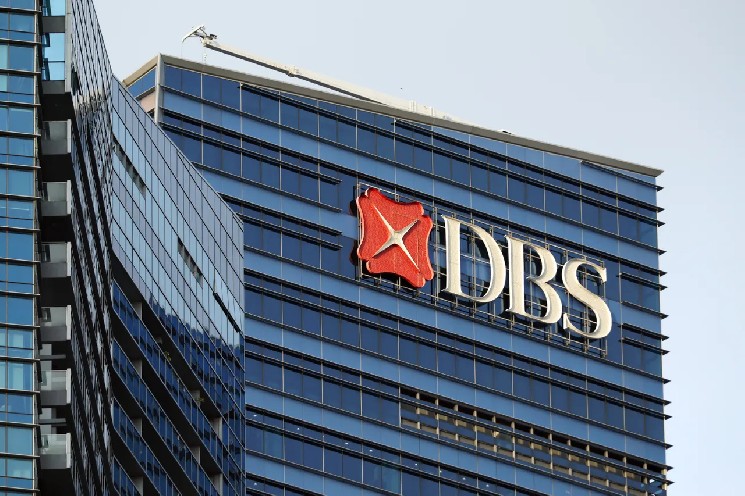
- DBS issues tokenized structured notes on Ethereum, expanding access through ADDX, DigiFT, and HydraX for accredited and institutional investors.
- Tokenized notes lower entry barriers to USD 1,000 per unit, enhancing liquidity, transparency, and accessibility in structured financial products.
DBS, Singapore’s largest bank, has officially launched tokenized structured notes on the Ethereum network.
This product is not only marketed to its own customers but also distributed through three digital platforms: ADDX, DigiFT, and HydraX. With this move, DBS further expands its role in providing modern financial instruments that are more accessible and tradable globally.
The first product brought to market is a crypto-linked participation note. Simply put, this instrument offers a cash payout if the price of a crypto asset rises, but still provides protection to minimize losses when the price falls.
Even more interestingly, tokenization makes this structured product available for purchase in denominations of $1,000, significantly lower than traditional versions, which are typically only available with a minimum investment of $100,000.
This way, investors don’t need large capital to participate, and the instrument becomes more liquid because it can be traded more flexibly.
DBS Expands Tokenization Beyond Crypto Assets
DBS isn’t stopping at just crypto-linked instruments. The bank has also prepared plans to expand tokenization to other products, from equity-linked notes to credit-linked notes.
The choice to use Ethereum is also not without reason. This public blockchain network is considered mature, extensive, and secure, making it suitable for the distribution of financial products that require transparency and efficiency. Furthermore, Ethereum is already widely recognized by global investors, increasing the potential for adoption.
Market trends indicate a strong response. In the first half of 2025, digital asset trading volume from DBS customers exceeded $1 billion, with an increase of nearly 60% from the first quarter to the second quarter. Furthermore, the growth of institutional investors in Singapore is also evident.
The number of single-family offices in 2024 exceeded 2,000, an increase of approximately 43% from the previous year. This data demonstrates that the investor base interested in digital assets continues to expand, and DBS appears to be capitalizing on this momentum.
Furthermore, CNF previously reported that Singapore is increasingly positioning itself as a global hub for digital assets and blockchain innovation.
Project Guardian, previously still in the proof-of-concept stage, is now moving toward full implementation with various global companies. For regulators and industry players, this marks a major step in integrating tokenization technology into the real financial system.
Stricter Rules Shape Singapore’s Crypto Landscape
However, not everything has been smooth sailing. Last June, Singaporean authorities announced new regulations requiring all unlicensed crypto companies to cease services to international clients by June 30, 2025.
There is no transition period, requiring companies to immediately meet the DTSP licensing standards. The requirements are not simple, ranging from local leadership to strict regulatory compliance. This policy clearly demonstrates the government’s desire to control the growth of the crypto sector in a more structured and secure manner.
A closer look reveals DBS’s strategic position. The bank is not only seeking to bring innovation through tokenization but also adapting to increasingly stringent domestic regulations.