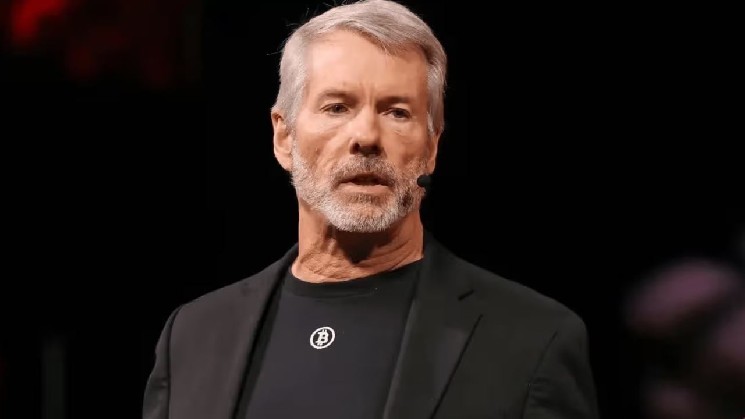
The choice between holding bitcoin directly and using a custodian is one of five rights he proposes for digital assets. Saylor says owners should be able to hold assets themselves or select a provider. More banking options, in his view, would make bitcoin useful for customers who want financial services alongside ownership.
Why He Wants Banking Rules Reviewed
Banks face different risks when they safeguard an asset for a customer, lend against it, or buy it for their own balance sheets. Saylor argues that regulation should treat those activities separately. He calls for a review of accounting, supervisory, and capital rules that he believes make bitcoin services unnecessarily difficult.
As one example, he cites the Basel framework’s 1,250% risk weight for Group 2b cryptoasset exposures, a category for cryptoassets that fail the framework’s classification conditions and its hedging recognition criteria. A risk weight affects how much capital a bank must hold against an exposure; it is not a 1,250% tax or charge on a customer loan. The classification covers specified bank exposures and should not be read as a single rule governing every custody arrangement or bitcoin-backed loan.
Saylor wants policymakers to assess the activity and its actual risks when setting requirements. His proposal does not remove the need for banks to evaluate collateral, protect customer assets, or manage losses. It calls for a regulatory path he considers commercially workable.
Insurance and the Next Institutional Uses
Insurance companies should also have a practical way to incorporate digital capital into their balance sheets and products, according to Saylor. That proposal concerns what insurers might be permitted to hold or offer; it is separate from his request for bank custody and lending rules. He argues that competition could improve the services available to bitcoin owners.
His broader digital credit pitch has likewise placed bitcoin within financing markets rather than treating it solely as an asset to hold. The Sept. 26 essay assigns Treasury and banking regulators a role in establishing paths for custody and credit. Those paths would determine how institutions could participate and which risks they would bear.
Saylor’s case ultimately rests on access. If more institutions can provide custody and financing, an owner may be able to compare terms and use bitcoin as collateral without first selling it. Whether that market expands will depend on the rules adopted and the services institutions choose to offer.

 news.bitcoin.com