
 coindesk.com
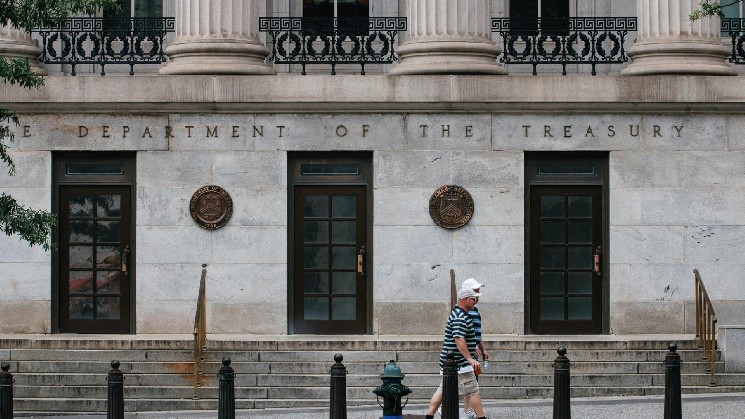
Last week, U.S. Treasury Secretary Scott Bessent announced a measure to calm the Treasury market. Instead, what he's got since then is a rally in bitcoin BTC$76,920.16 and gold.
On Aug. 19, Treasury Secretary Scott Bessent announced an increase to the size of the Treasury's bond buyback program, raising the maximum per-operation amount for 10-, 20-, and 30-year bond repurchases to at least $4 billion, up from the previous $2 billion limit. The move coincided with longer-duration yields hovering at their highest levels since 2007, a challenge for both fiscal management and risk assets broadly.
The market reaction was immediate, and it showed up almost entirely in hard assets, not bonds. Bitcoin surged to nearly $80,000, with the broader crypto market, triggering billions of dollars in short-position liquidations. Gold rallied too.
Analysts said the announcement made clear how uneasy officials are about rising long-duration borrowing costs, and it fed hopes that a more aggressive liquidity-easing operation could follow. Hard assets, naturally, benefited from that expectation.
"Bitcoin's move reflects an alignment of macro and policy catalysts. The Treasury's decision to double its buybacks of long-dated government debt is aimed at calming the bond market and providing liquidity at the long end of the curve, where borrowing costs have been rising on concerns over U.S. debt levels and inflation,” Fabian Dori, chief investment officer at Sygnum, said in an email.
“This is not money printing, the mechanism sits with the Treasury rather than the central bank balance sheet, but the signal matters: managing the cost of US debt has become an active policy priority, and that reignites the currency debasement narrative. It is telling that gold and silver rallied alongside bitcoin, with capital rotating into scarce, non-sovereign stores of value," Dori added.
Treasury yields remain high
But the actual target of the move, bond yields, hasn't budged in any meaningful way. The 30-year yield is still hovering around 5.25%, up from an Aug. 19 low of 5.19% and just short of the 5.33% touched on Aug. 18, the highest level since 2007. The 10-year and 2-year yields tell a similar story, according to data source TradingView.
That disconnect points to something bigger than the buyback itself. The forces pushing yields higher, chiefly a national debt that has hit the $40 trillion mark, along with expected deficit spending that implies more borrowing and more bond supply ahead (which means lower bond prices and higher yields), appear to be largely outside Bessent's control. As one framing put it, those forces act like a "fire hose on an ocean," making it hard for a $4 billion buyback program to meaningfully push yields lower.