
 coindesk.com
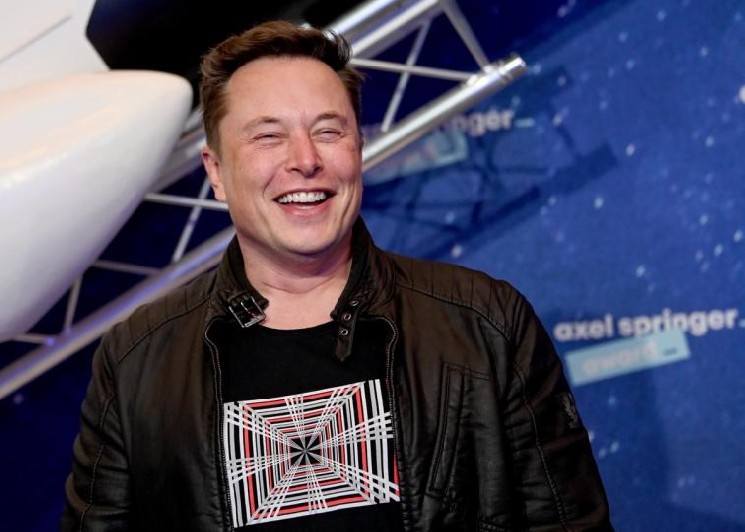
- SpaceX’s record-breaking Nasdaq debut also introduced the largest bitcoin position ever attached to an IPO, with 18,712 BTC held as a strategic cash reserve.
- Unlike dedicated bitcoin vehicles such as Strategy or crypto treasury firms, SpaceX treats its roughly $1.29 billion bitcoin stake as a small, non-core holding within a $1.8 trillion valuation, potentially normalizing bitcoin on corporate balance sheets.
- How SpaceX weathers earnings volatility from fair-value bitcoin accounting in the coming quarters could influence whether other major issuers, including AI companies eyeing IPOs, adopt bitcoin as a treasury asset.
SpaceX's Nasdaq debut on Friday did something quieter than the record $75 billion raise. It puts the largest bitcoin position ever attached to an IPO onto public markets, and under a framing that corporate America has not seen at this scale.
The company's S-1 disclosed 18,712 bitcoin, bought for about $661 million and valued at $1.29 billion as of March 31. The filing described the position as a strategic reserve for excess cash.
Here's why crypto hopefuls should pay attention to that stance. SpaceX is not a bitcoin company. It is a rocket, satellite and AI company that decided bitcoin belongs next to its cash, and it just carried that decision through the largest listing in history.
That separates it from every large bitcoin holder that public investors have been offered so far. Strategy, the largest corporate holder, exists to accumulate bitcoin, and its stock trades as a leveraged proxy for the coin. Other treasury vehicles like BitMine raise money to buy crypto and live or die on the gap between their share price and their holdings.
But SpaceX inverts the structure.
For Elon Musk's company, it's a rounding error against a valuation of over $1.8 trillion: small enough that the stock will never trade on it, yet large enough to normalize the asset in a way no dedicated vehicle can.
For years, onchain analysts estimated SpaceX held about 8,300 bitcoin. The S-1 then revealed the real number was more than twice that, meaning one of the most scrutinized private companies in the world held a billion-dollar bitcoin position, and the public's best guess was off by half until securities law forced the answer.
Now the position lives under public company rules.
Fair-value accounting means every quarterly report marks bitcoin to market, recording gains and losses whether or not SpaceX trades the coin. Tesla showed how that looks in a drawdown, booking hundreds of millions in paper losses on a position it wasn't selling.
SpaceX arrives with bitcoin 37% already below its January high, though its roughly $35,000 cost basis means the stake is still up about 80% from its initial buys.
Neither Tesla nor SpaceX — both Elon Musk-owned firms — have ever shown an appetite for trading its stack. These companies continue to hold (at least for now) bitcoin through public earnings cycles and analyst questions, while the position swings, hands every Fortune 500 finance chief a working example of a mega-caps that treat bitcoin as a reserve asset, absorbs the earnings noise and moves on.



