
 finbold.com

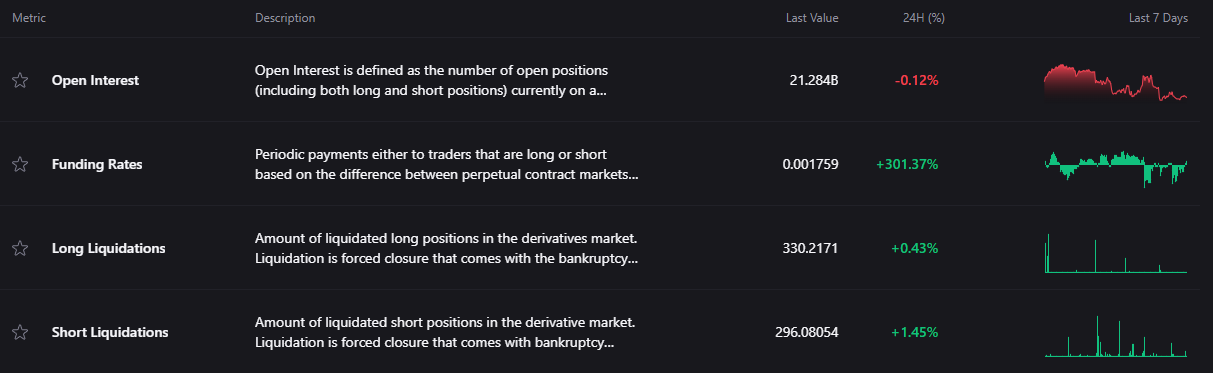
Bitcoin ($BTC) saw a modest uptick on April 3, at one point trading above $67,200 with a noticeable surge in daily funding rates, which shot up more than 300%.
In short, the figure implies that leveraged traders have sharply increased their bullish exposure, with long-position holders paying higher fees to maintain their bets that ‘digital gold’ is going to rebound further.
At the same time, though, Bitcoin open interest has begun to cool down, being 0.12% in the negative at the time of writing, judging by the data Finbold retrieved from CryptoQuant.
What this suggests is that the funding spike was not accompanied by a meaningful influx of fresh capital. In other words, it more likely reflects a repositioning of existing traders rather than a wave of new bullish market participants.
Near-term Bitcoin price outlook
While rapid funding rate spikes reflect growing confidence, they can also be seen as a sign of an overheated market. That is, if elevated rates begin to erode long-position profitability, the risk of sudden corrections increases.
Bitcoin’s near-term outlook is being driven by a combination of institutional demand dynamics and broader macroeconomic conditions. In the short term, price action hinges on whether the asset can hold support near $67,000, as a sustained defense of that level could push it toward $68,500. Conversely, a breakdown below $66,500 may intensify selling pressure.
However, Bitcoin ETFs, which are emerging as a primary driving factor, have posted less than favorable results over the past week, recording $375 million in weekly net outflows, according to the latest data provided by Lookonchain.
As sustained net inflows generate direct buying pressure and emphasize Bitcoin’s role in investor portfolios, particularly during periods of geopolitical uncertainty, prolonged outflows could signal waning institutional appetite, leading to further downturns in the process.
Technical indicators also point toward a broader downtrend. For example, the Relative Strength Index (RSI) at 44 suggests mild weakness, while Bitcoin prices are below all major moving averages (MA).
Featured image via Shutterstock