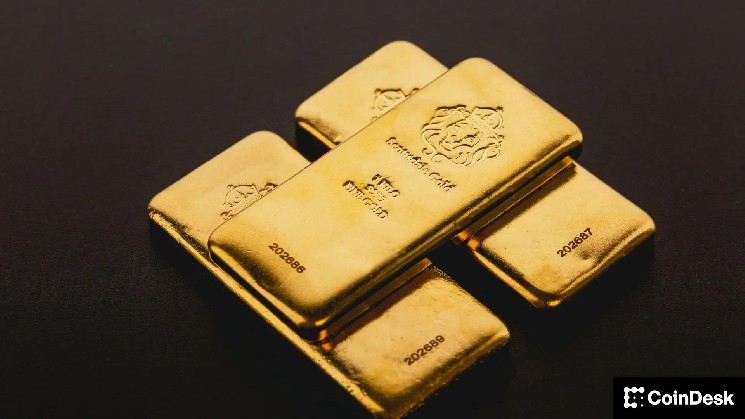
Meanwhile, bitcoin, often referred to as digital gold, is holding above $70,000, keeping the bitcoin to gold ratio just below 16 ounces. The ratio bottomed at around 12 ounces just before the Middle East conflict, meaning the ratio has risen roughly 30% from those lows, with bitcoin outperforming.
Charlie Morris, chief investment officer at ByteTree, noted: “I remember the excitement when 1 $BTC first surpassed one ounce of gold in March 2017. Since then, it has consistently built higher lows, reaching 2.7 oz in 2019, 3.4 oz during the 2020 pandemic crash, 9.1 oz after the FTX collapse, and 12.4 oz in February this year. Now, one $BTC is worth 16 ounces of gold. With gold appearing exhausted, we could reasonably expect a new all time high above 40 ounces in the coming months or years.”
Historically, bitcoin has tended to lag gold in market cycles. Gold typically leads with an initial rally, then consolidates, allowing bitcoin to catch up and outperform.
While, Bloomberg ETF analyst Eric Balchunas argues that bitcoin and gold are not inversely correlated, but rather largely uncorrelated.
He highlights that gold exchange traded funds (ETFs) such as SPDR Gold Trust (GLD) and iShares Gold Trust (IAU) have seen billions of dollars in outflows over the past week.
In contrast, bitcoin ETFs have recorded around $2.5 billion in inflows this month, with only about $140 million in net outflows year to date, despite bitcoin being down roughly 20% over that period.

 coindesk.com