- Many ETF buyers treat bitcoin as a 1%–2% “hot sauce” allocation alongside stocks and bonds, rather than a core holding.
- Their broader portfolios have benefited from strong equity markets, cushioning the psychological blow of crypto losses.
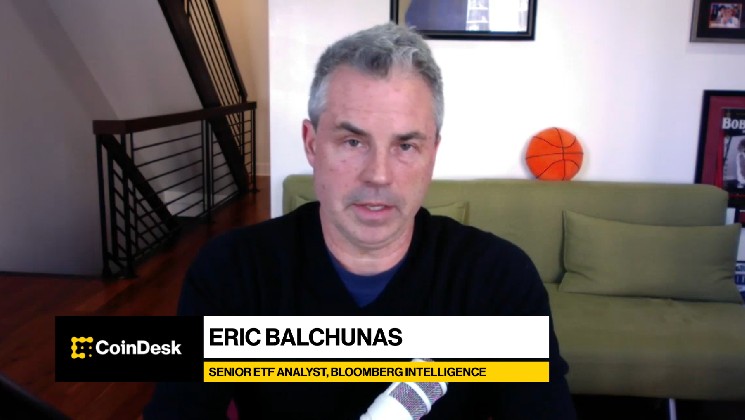
- ETF investors “tend to hold really strong,” Balchunas said, having lived through multiple market cycles in traditional assets.
The contrast with crypto natives: The same price drop can feel radically different depending on exposure.
- Investors heavily concentrated in bitcoin face what Balchunas described as “existential crisis mode.”
- Leveraged traders and long-time holders may be driving more of the selling pressure than ETF investors.
- “Volatility is the cost of the returns,” Balchunas said, noting bitcoin has endured seven or eight similar drawdowns historically.
Lessons from gold ETFs: Balchunas sees parallels between bitcoin and gold as ETF-wrapped assets.
- Gold ETFs suffered a roughly 40% drop over six months about a decade ago, during which about one-third of assets left.
- Despite that, gold ETFs later rebuilt assets and now hold roughly $160 billion.
- Bitcoin ETFs briefly rivaled gold ETFs in size before the recent selloff, highlighting how flows can reverse over time.
What comes next: Volatility is likely to persist, but ETFs may anchor bitcoin’s place in traditional finance.
- Balchunas said bitcoin’s 17-year history shows repeated recoveries to new highs after major downturns.
- ETF structures mean Bitcoin now sits alongside stocks, bonds and commodities in mainstream portfolios.
- “A selloff doesn’t mean the end,” he said. “It just means it’s a selloff.”

 coindesk.com