
 finbold.com
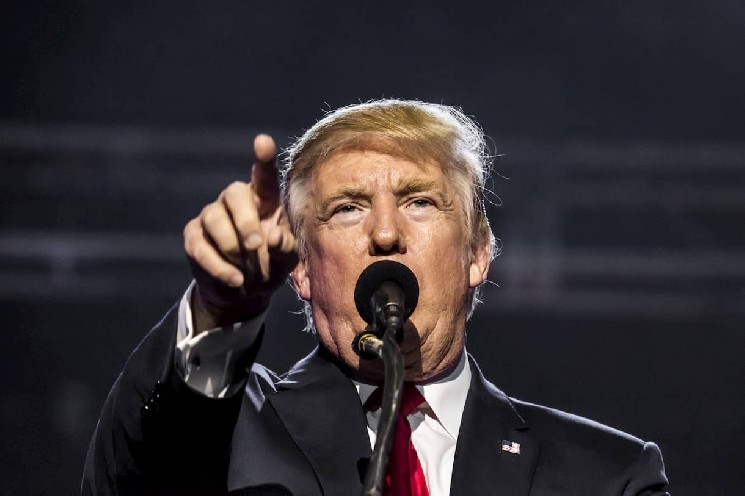
President Donald Trump returned to the White House vowing to make the United States “the crypto capital of the world,” and by many policy measures, his administration delivered.
Yet despite a markedly more crypto-friendly regulatory environment, Bitcoin (BTC) has lost roughly 25,000 millionaire addresses since Trump’s January 2025 inauguration, according to blockchain data tracking address-level wealth distribution analyzed by Finbold.
At the time of Donald Trump’s second inauguration, there were 157,563 Bitcoin addresses holding at least $1 million worth of BTC. By January 20, 2026, one year into his presidency, that figure had fallen to 132,383 addresses, representing a decline of 25,180 Bitcoin millionaire addresses, or roughly 16% over the period.
The pullback was less pronounced among top-tier holders. Addresses holding more than $10 million declined from 18,801 to 16,453 over the same period, a smaller 12.5% decrease, suggesting that larger holders were comparatively more resilient than lower-tier Bitcoin millionaires.
Election win fueled buildup before inauguration
On November 6, 2024, the day after Trump won the presidential election, Bitcoin traded near $69,000, and on-chain data showed 120,851 millionaires, a far smaller concentration of high-value holders compared with inauguration levels.
In the weeks that followed, Bitcoin surged to above $100,000 by January 2025, driving a rapid expansion in millionaire addresses as prices climbed and capital repositioned ahead of anticipated regulatory changes.
By inauguration day, Bitcoin millionaire addresses had surged, reflecting optimism surrounding Trump’s pro-crypto stance, expected deregulation, and closer integration of digital assets into the U.S. financial system.
Trump administration and the crypto sector
Trump’s administration moved aggressively to reduce friction for the crypto sector. Crypto-friendly regulators were appointed, major legislation advanced through a Republican-led Congress, and barriers between digital assets and traditional finance were steadily lowered.
Trump and his family also launched several crypto-related ventures, ranging from Bitcoin mining initiatives to crypto financial services and a high-profile TRUMP meme coin tied to the Trump brand.
While supporters viewed these moves as a signal of confidence in the industry, critics raised ethical concerns over potential conflicts of interest, allegations the White House has consistently denied.
Bitcoin addresses
It is important to note that blockchain data tracks addresses, not individuals. A single entity, such as an exchange, fund, or institutional investor can control multiple wallets, while one wallet may represent pooled assets from many users.
As a result, the number of Bitcoin millionaire addresses does not directly correspond to the number of Bitcoin millionaire people.
Still, changes in address-level wealth remain a widely used proxy for shifts in capital concentration and investor behavior across the Bitcoin network.