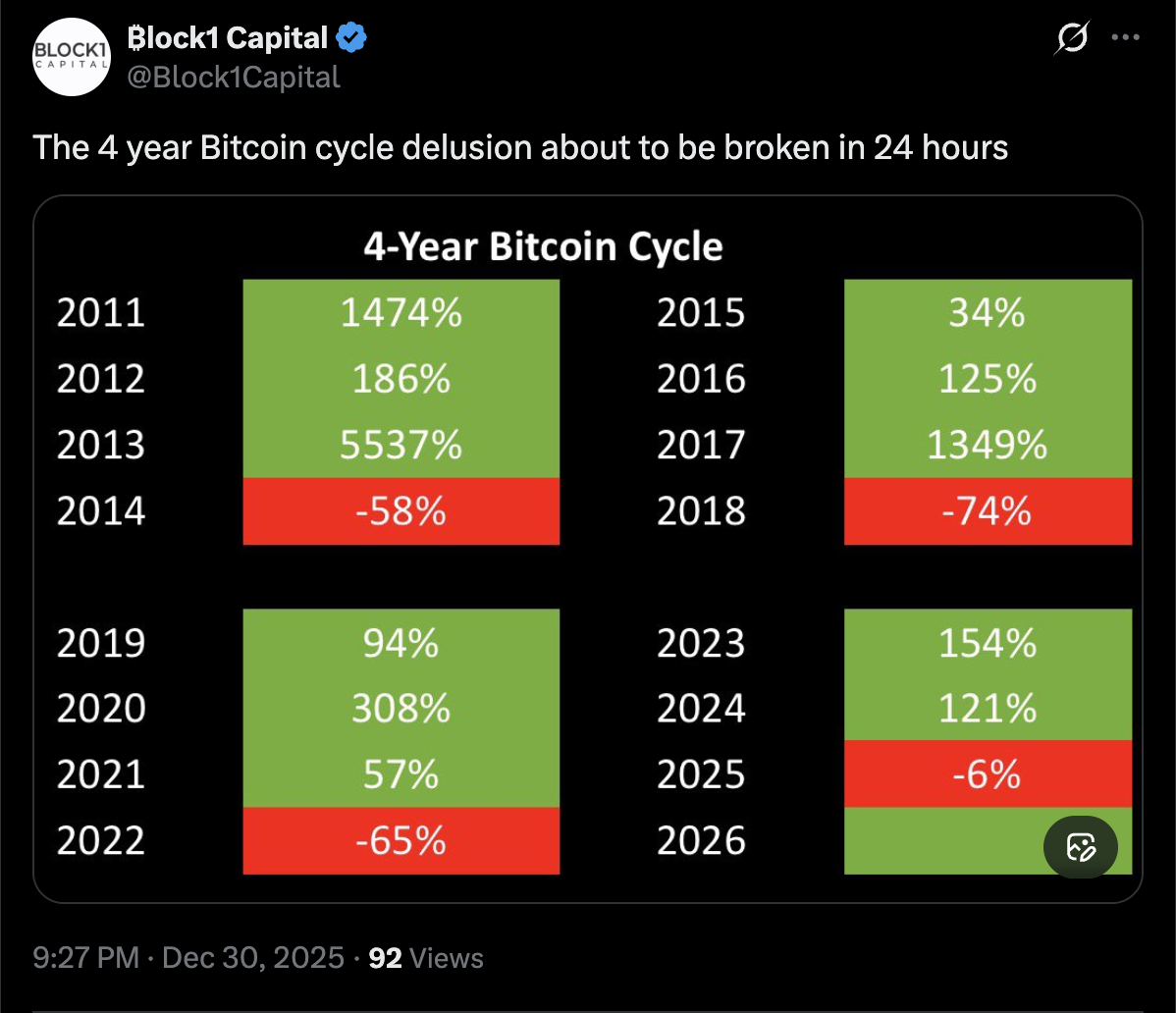
Bitcoin still has about a 20% chance of forming new highs before the cycle low, but these odds are dropping with each passing month, Terpin said.
A new Federal Reserve chair should ease macroeconomic conditions by lowering interest rates, but if the Republican Party fails to secure both chambers of Congress in the 2026 US midterm elections, it will “cripple” the pro-crypto regulatory environment, Terpin said.
The year 2025 was widely forecast to be seismic for Bitcoin’s price, with several analysts forecasting $BTC from $180,000 to $250,000 by the end of 2025, while $BTC is on track to close the year at a lower price than the highs above $100,000 recorded in January.
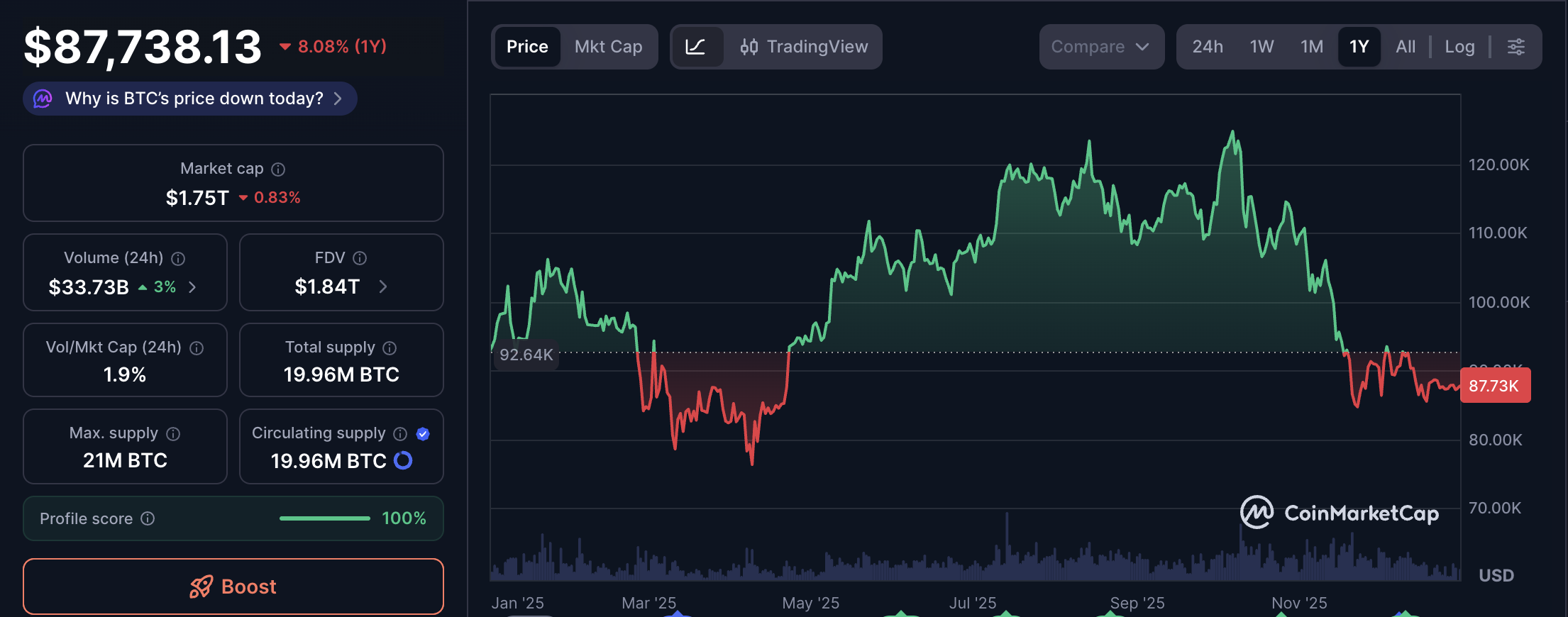
Bitcoin’s price action over the last year. Source: CoinMarketCap
Related: What the Fed’s divided 2026 outlook means for Bitcoin and crypto
Despite the slump, Bitcoin payments infrastructure and use cases will grow in 2026
"2025 made Bitcoin easier to hold and earn yield on,” said early Bitcoin adopter and blockchain software developer Rich Rines. “2026 should make it easier to actually use.”
Bitcoin neobanks, digital infrastructure companies that provide online banking services, and Bitcoin-backed stablecoins will boost Bitcoin’s use as a medium of exchange, Rines said.
Payments company Square integrated Bitcoin payments into its point of sale systems, allowing merchants to accept $BTC as payment and automatically convert 1% of their total sales to $BTC, if desired.
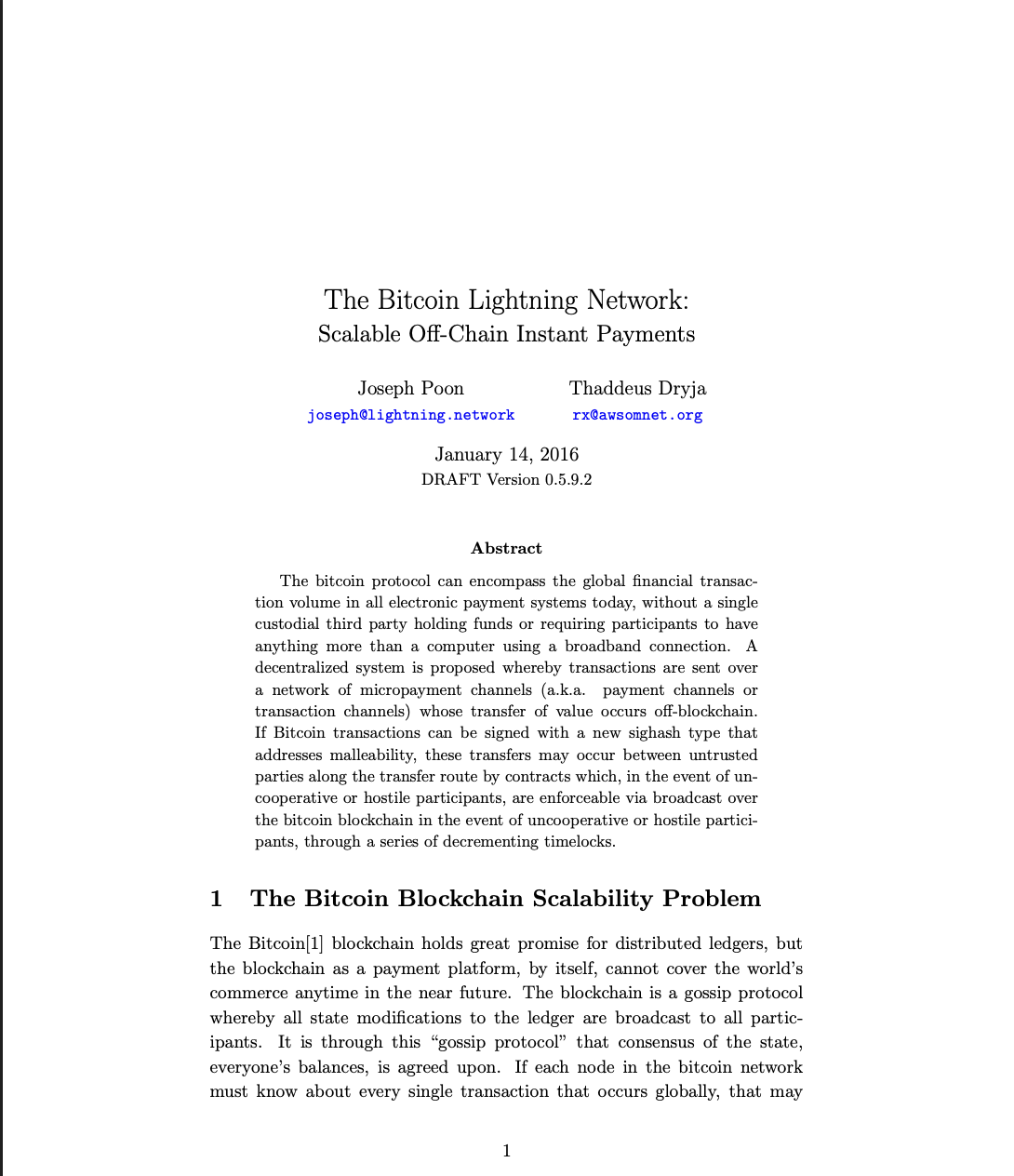
The Bitcoin Lightning Network whitepaper. Source: Bitcoin Lightning Network
The Bitcoin Lightning Network, a layer-2 scaling solution that allows $BTC to be used for payments, reduces friction by opening up payment channels between parties, with only the net balance of the payment channel posting to the $BTC ledger in one final transaction.
The Lightning Network could capture 5% of stablecoin flows by 2028, Graham Krizek, founder of Lightning Network payment company Voltage, told Cointelegraph.
Magazine: Big Questions: Did a time-traveling AI invent Bitcoin?

 cointelegraph.com